El Nido–Coron Boat Expedition with Cultural Experience
About This Experience
Join a 3-day 2-night expedition from El Nido to Coron with added cultural stops: visit Tagbanua communities, trek jungle trails, and enjoy a traditional Philippine island buffet.
Highlights
- All the classic El Nido–Coron expedition stops (lagoons, Linapacan, Kayangan, Twin Lagoon)
- Visit a Tagbanua indigenous fishing community
- Guided jungle trek with local naturalist
- Traditional Philippine island buffet dinner cooked by community members
- Learn about Palawan's indigenous culture and marine conservation
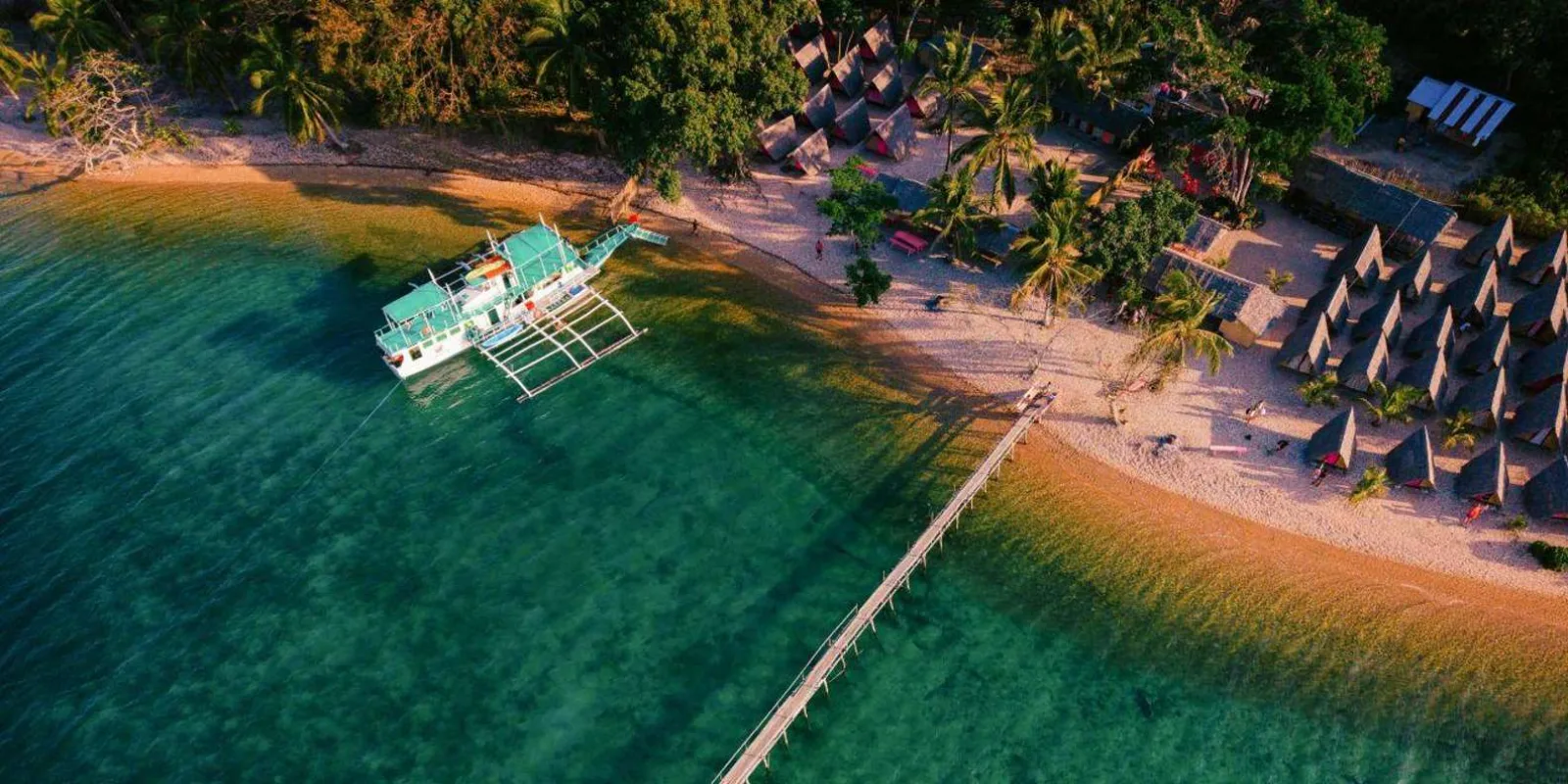
- 2 nights at beach camps using sustainable local materials
What's Included
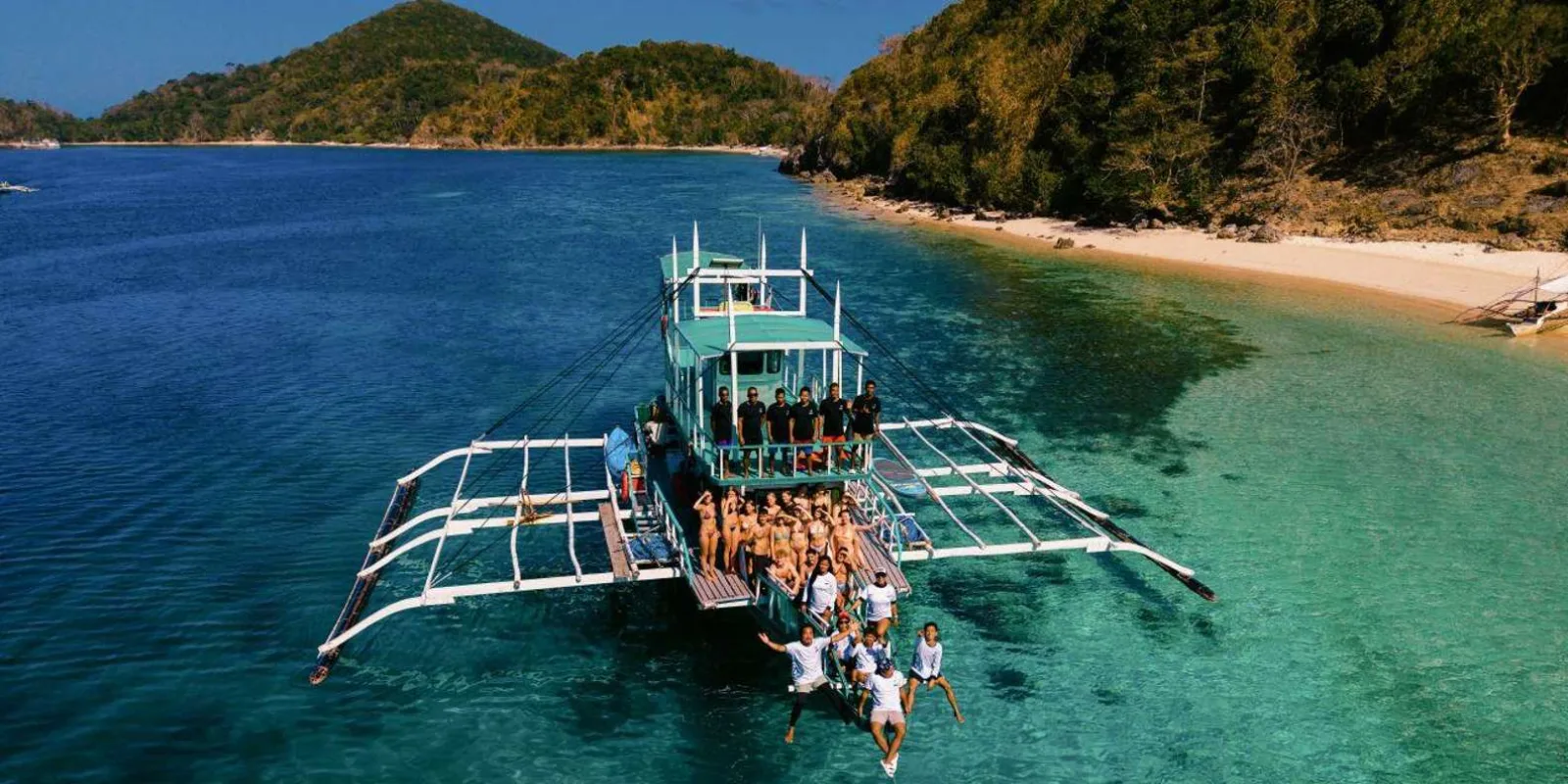
- ✓ All inter-island boat transfers by traditional bangka
- ✓ 2 nights' accommodation (beach camps)
- ✓ All meals including cultural buffet dinner on Day 2
- ✓ Jungle trek with experienced local guide
- ✓ Community visit facilitation
- ✓ Snorkeling equipment (mask, fins, life vest)
- ✓ National park and environmental fees
Not Included
- Personal travel insurance (strongly recommended)
- Alcoholic beverages
- Meals in Coron Town (Day 3 dinner onward)
- Personal souvenirs from community artisans
- Tips for crew and guide (PHP 300–500 per person recommended)
What to Bring
- Closed-toe shoes or trail sandals — the jungle trek involves tree roots and uneven terrain
- Reef-safe sunscreen (mandatory in Philippine marine parks)
- Dry bag for electronics — 3 days on the water with rain possible any day
- Cash in Philippine pesos for personal spending and community artisan souvenirs (woven items, dried seafood)
- Motion sickness medication if you are prone to seasickness on open water
- Small notebook or camera for the cultural stops — community visits are photography-welcome with guide approval
Good to Know & Caveats
- The jungle trek is approximately 2–3km on lowland tropical forest terrain — not strenuous but requires footwear beyond flip-flops
- Community visits are conducted with prior consent from the Tagbanua community; a portion of the tour fee goes directly to them
- The cultural buffet dinner on Day 2 is the culinary highlight — dishes vary by season and local catch
- Accommodation is beach camp standard (nipa huts, cold showers) for both nights — leave large luggage at your El Nido hotel
- This tour covers the same natural stops as the standard 3-day expedition plus cultural additions — it is not a replacement for nature highlights
Not Suitable For
- Travelers with significant mobility limitations — the jungle trek and rocky pier landings require basic physical fitness
- Guests expecting Western-standard accommodation or private rooms each night
- Those with less than 3 consecutive days and who want only the nature highlights (the standard 3-day expedition is a better fit)
Meeting Point
El Nido Town Pier, El Nido, Palawan, Philippines
What Travelers Say
Rated %!f(<nil>)/5 by verified GetYourGuide travelers.
The cultural dimension made this feel like a real journey rather than a tick-box tour. The evening buffet was extraordinary — food cooked by community members with ingredients from that morning. The jungle trek was a bonus I hadn't expected to love so much.
— , 2026-07
Best tour I've done in the Philippines. The Tagbanua village visit was handled with real respect — no cameras in people's faces, just conversation facilitated by our guide. Combined with the incredible snorkeling, it's unlike any other island tour.
— , 2026-06
Loved the concept and execution. The buffet dinner on night two was a highlight of our whole Philippines trip. Guide was knowledgeable about both the ecology and the cultural context. Dock at the end was a bit chaotic but that's minor.
— , 2026-05
Frequently Asked Questions
Is the cultural experience authentic or staged for tourists?
The community visits are conducted with prior community consent and a portion of the tour fee goes directly to the Tagbanua community involved. The interactions are genuine — guides facilitate conversation rather than performing scripted demonstrations.
How difficult is the jungle trek?
The trek covers approximately 2–3 kilometres on uneven terrain with tree roots. It is accessible to most fit adults without specialist hiking experience. Closed-toe shoes or trail sandals are strongly recommended alongside standard beach footwear.
What is in the traditional buffet dinner?
The spread varies by season and local availability but typically includes kinilaw (ceviche-style raw fish), adobo cooked over open flame, sinugba (grilled bangus), fresh coconut rice, and sinigang (sour soup) made from the morning's catch. It is the most culturally specific meal on any El Nido–Coron expedition.
El Nido–Coron Boat Expedition with Cultural Experience
Most El Nido to Coron expeditions focus almost entirely on nature — the lagoons, reefs, and open sea crossings that make the route spectacular. This expedition does all of that, but adds something rarer: genuine cultural encounters with the Tagbanua people, indigenous inhabitants of the Calamian Islands whose traditional way of life continues largely outside the reach of conventional tourism.
The three-day two-night route covers the same extraordinary coastline as the standard El Nido to Coron expedition, including snorkeling in Linapacan’s crystalline waters and the iconic Kayangan Lake and Twin Lagoon finale on the final morning. What distinguishes this tour is the time dedicated to community visits, jungle trekking, and a celebration of Philippine island food culture that goes well beyond the typical bangka catering.
Day 1: El Nido, Bacuit Bay, and Cultural Introduction
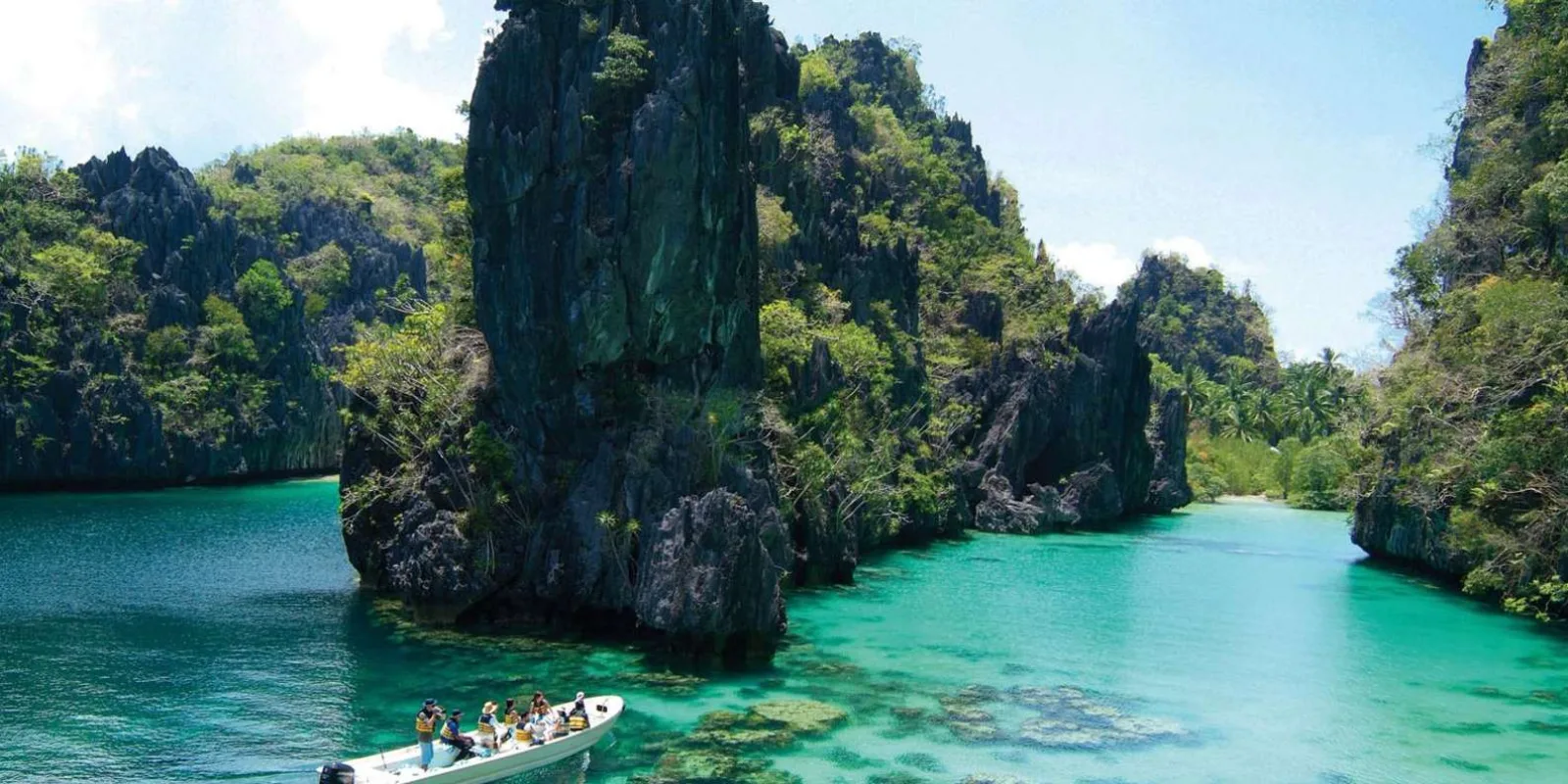
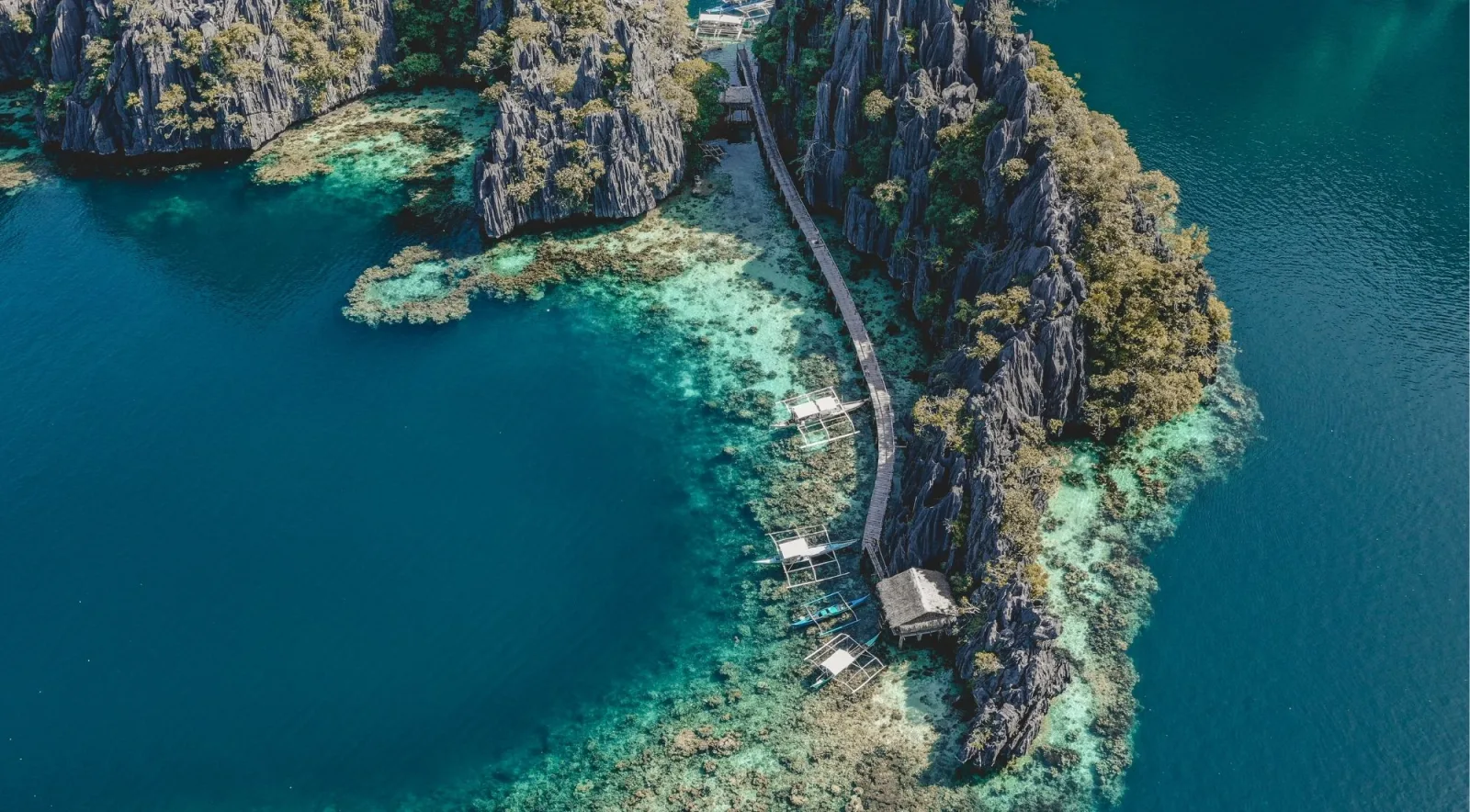
The expedition departs El Nido Town with a morning visit to Bacuit Bay — Big Lagoon and the surrounding karst formations that have made El Nido one of the most recognisable island destinations in Southeast Asia. The first stop is scenic: limestone walls, hidden lagoons, and snorkeling at a healthy reef.
After lunch the guide introduces the cultural dimension of the tour. This typically includes a visit to a small coastal community where Tagbanua families maintain traditional livelihood practices: handline fishing, small-scale farming on island slopes, and the weaving of coconut leaf baskets and mats. The interaction is genuine rather than staged — the guide facilitates conversation about island life, traditional navigation practices, and the challenges facing Palawan’s indigenous communities as tourism expands.
The first night is at a beach camp that uses local sustainable materials and employs crew members from the Tagbanua community where possible.
Day 2: Jungle Trek and Open-Sea Crossing
The morning of day two involves a jungle trek on one of the larger Calamian Islands. The trek covers approximately two to three kilometres through lowland tropical forest — habitat for hornbills, monitor lizards, and in the deeper interior, the Palawan bearcat (binturong). The guide identifies edible plants, explains the Tagbanua’s traditional medicine practices using forest herbs, and demonstrates traditional fire-starting techniques.
The afternoon is devoted to the open-sea crossing toward Linapacan. The water in this section of northern Palawan is some of the clearest anywhere in the Philippines — the combination of deep tidal channels, sandy seafloors, and the absence of river runoff keeps visibility extraordinary. Snorkeling stops in the afternoon take advantage of the optimal light angle.
Day two ends with a buffet dinner that is one of the tour’s highlights: a spread of traditional Philippine island cooking prepared by local community members. Dishes vary by season and availability but typically include kinilaw (ceviche-style raw fish cured in vinegar and citrus), adobo cooked over open flame, sinugba (grilled bangus), fresh coconut rice, and a local version of sinigang (sour soup) made with whatever the morning’s catch provided. It is the most culturally specific meal of any El Nido to Coron expedition.
Day 3: Coron Bay and Final Iconic Stops
The final morning returns to purely scenic territory: Coron Bay’s two flagship sites before the afternoon arrival in Coron Town.
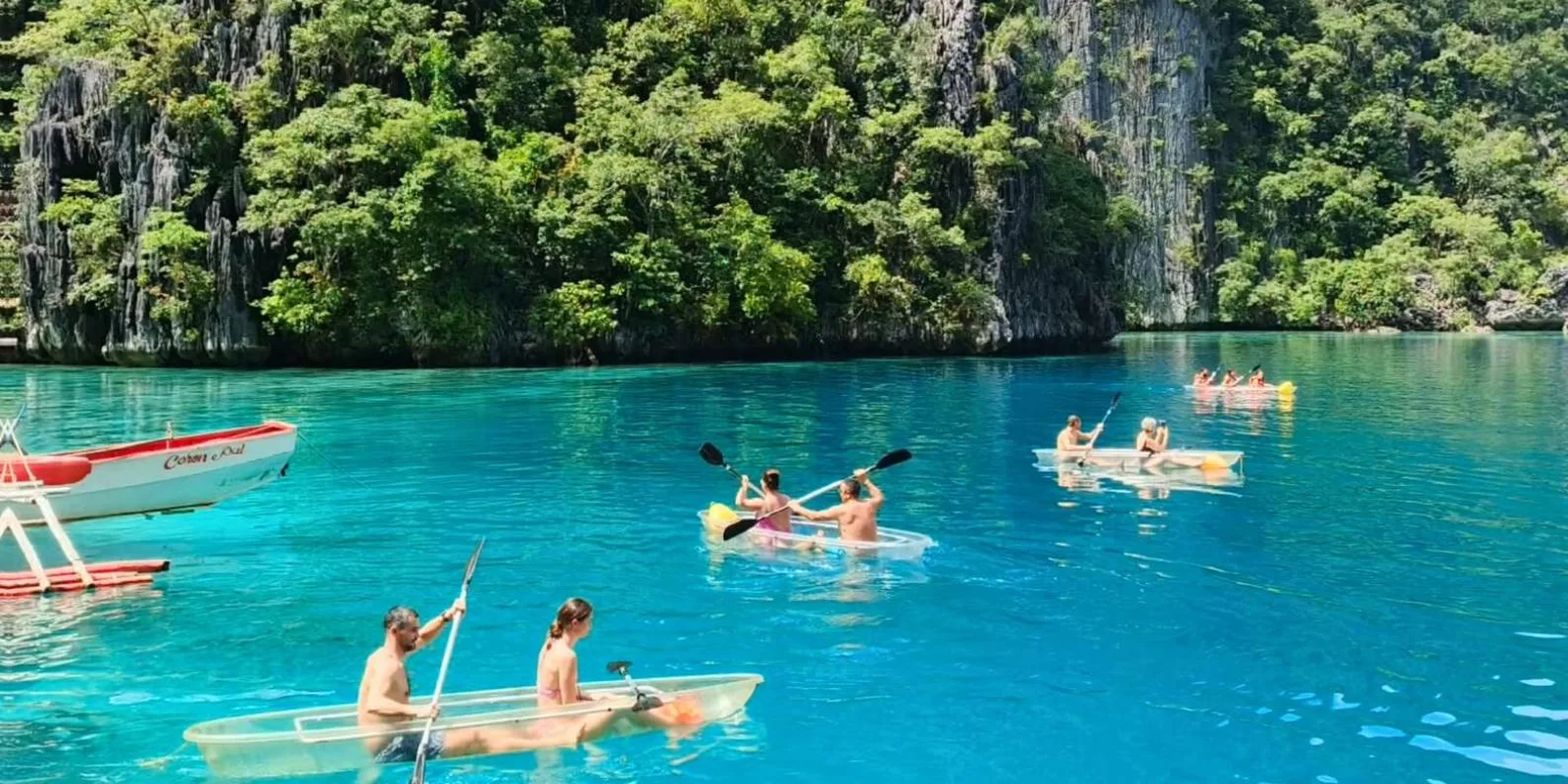
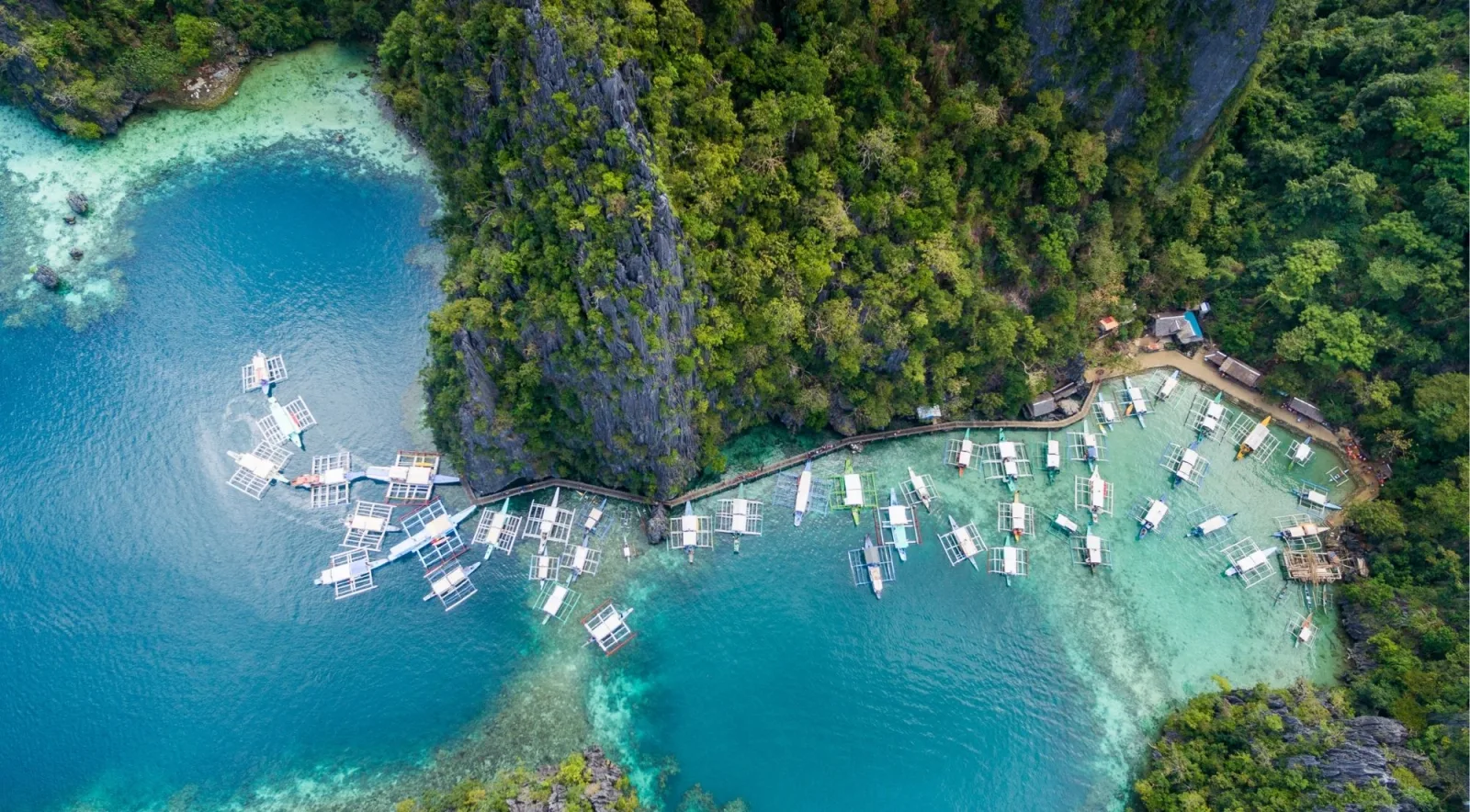
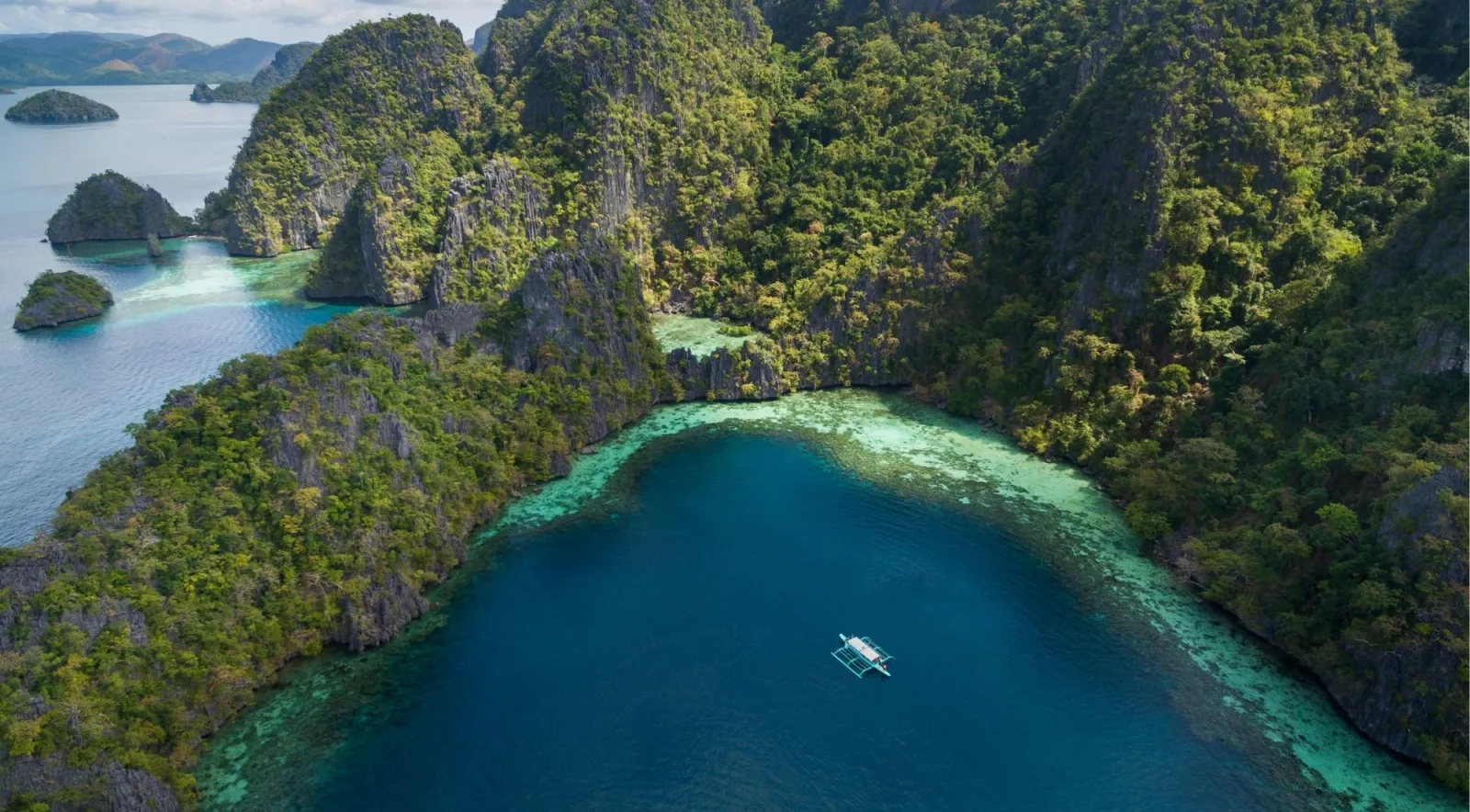
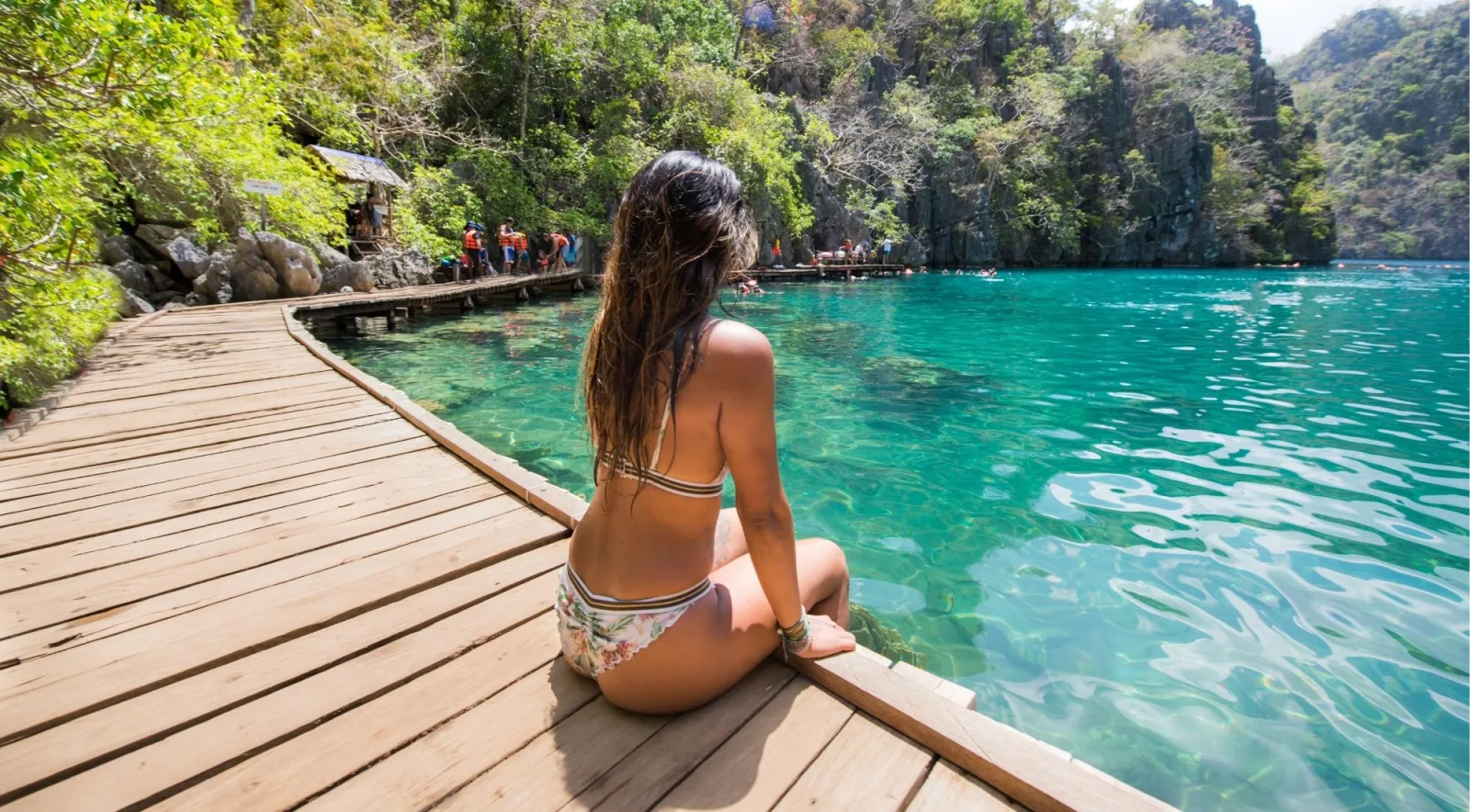
Kayangan Lake is the cultural and visual centrepiece of Coron. Entering from a rocky pier, a ten-minute climb up steep stone stairs leads to the viewpoint above the lake — a panorama of limestone karst and electric-blue water that has become one of the most reproduced images of the Philippines. The lake itself is one of the clearest in Asia, with visibility above 20 metres in the water column.
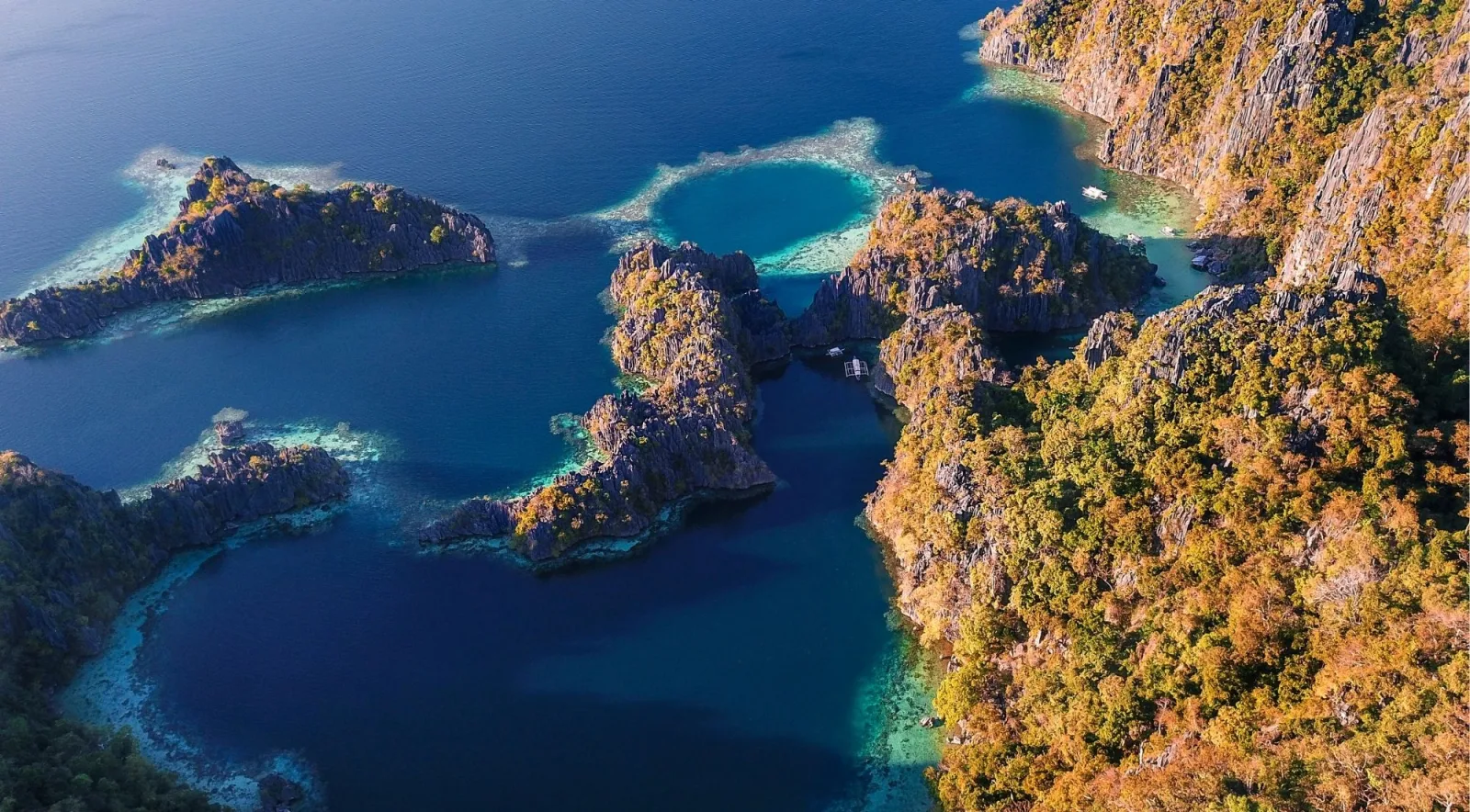
Twin Lagoon follows: two saltwater pools separated by a rock wall, connected by an underwater passage you swim through. The thermal contrast between the inner (warm spring-fed) and outer (cooler tidal) pools is felt immediately on entry.
The bangka arrives at Coron Town pier in the early to mid-afternoon. From here, onward travel to Manila or extended accommodation in Coron is straightforward.
How This Tour Differs
The cultural experience layer adds meaningful context to what might otherwise feel like a sequence of beautiful but disconnected natural sites. Understanding that Linapacan’s islands are not simply uninhabited wilderness but historically occupied fishing grounds of the Tagbanua, or that the mangrove channels near Culion played a role in the leprosy quarantine era, makes the landscape more legible.
For travelers interested in the human geography of the Philippines — not just the postcard scenery — this expedition offers a dimension that purely scenic tours do not.
What’s Included
All inter-island boat transfers, two nights’ accommodation at beach camps, all meals including the cultural buffet dinner on day two, snorkeling equipment, jungle trek with guide, community visit facilitation, national park fees, and hotel transfers from and to accommodation in El Nido.
Practical Notes
The jungle trek involves uneven terrain and tree roots — closed-toe shoes or trail sandals are recommended in addition to the usual beach footwear. The cultural community visits are conducted with prior community consent and a portion of the tour fee goes directly to the Tagbanua community involved. Bring cash for personal spending, tips, and souvenirs from community artisans (small woven items, dried seafood).