El Nido to Coron: 3-Day 2-Night Island-Hopping Expedition
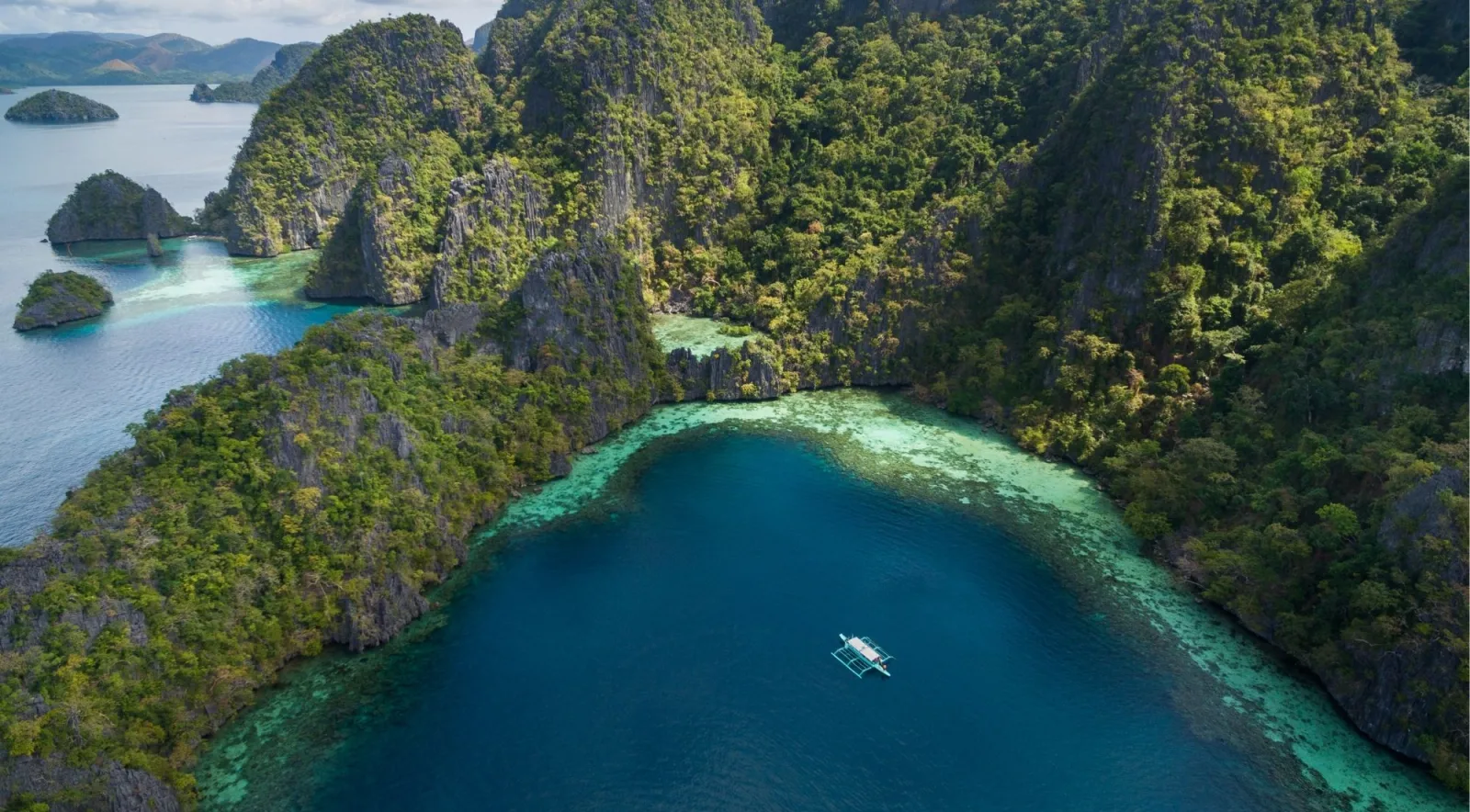
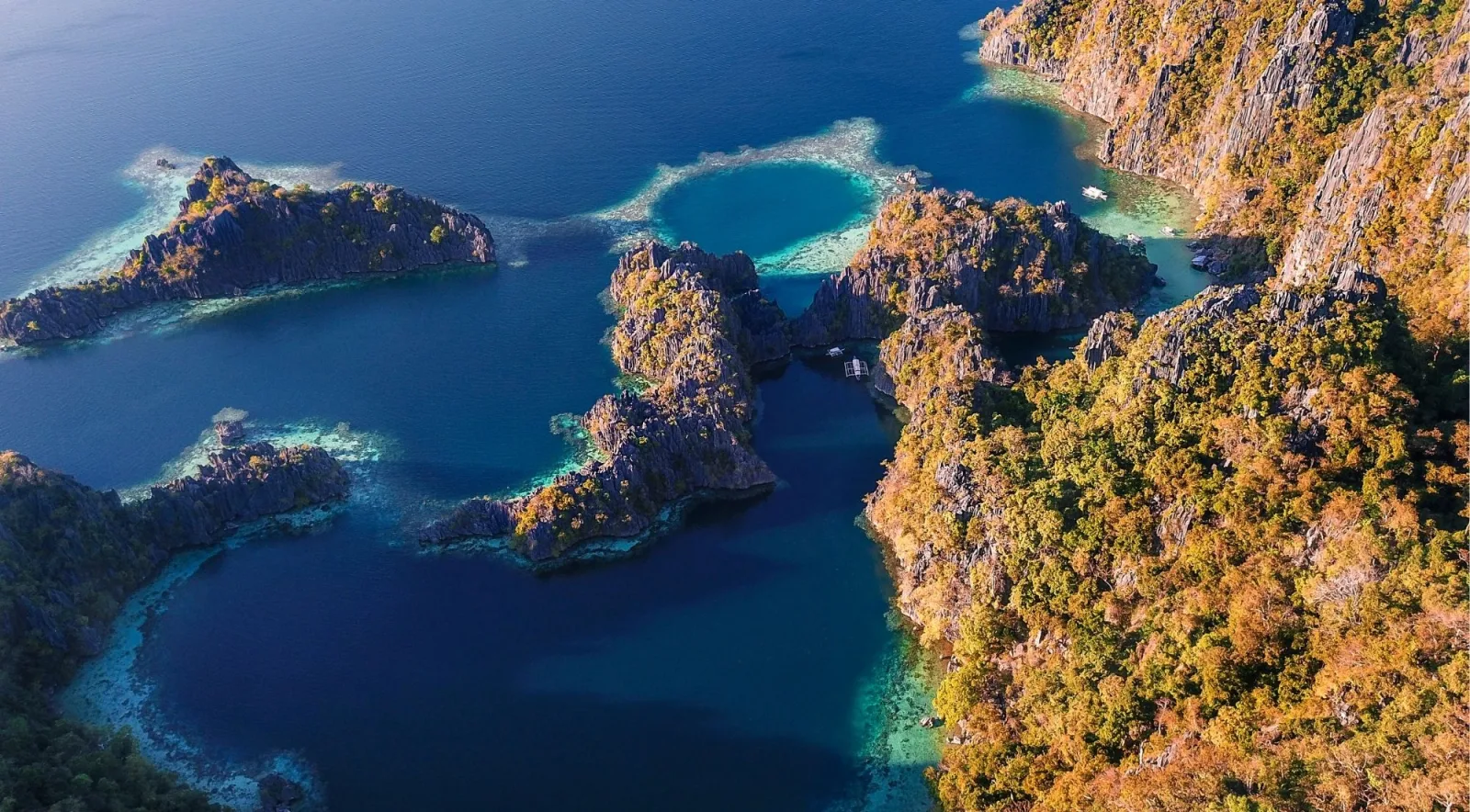
About This Experience
Disconnect on a true off-grid island expedition from El Nido to Coron. Explore remote islands, snorkel untouched reefs, and discover raw authentic island life on this 3-day 2-night bangka crossing.
Highlights
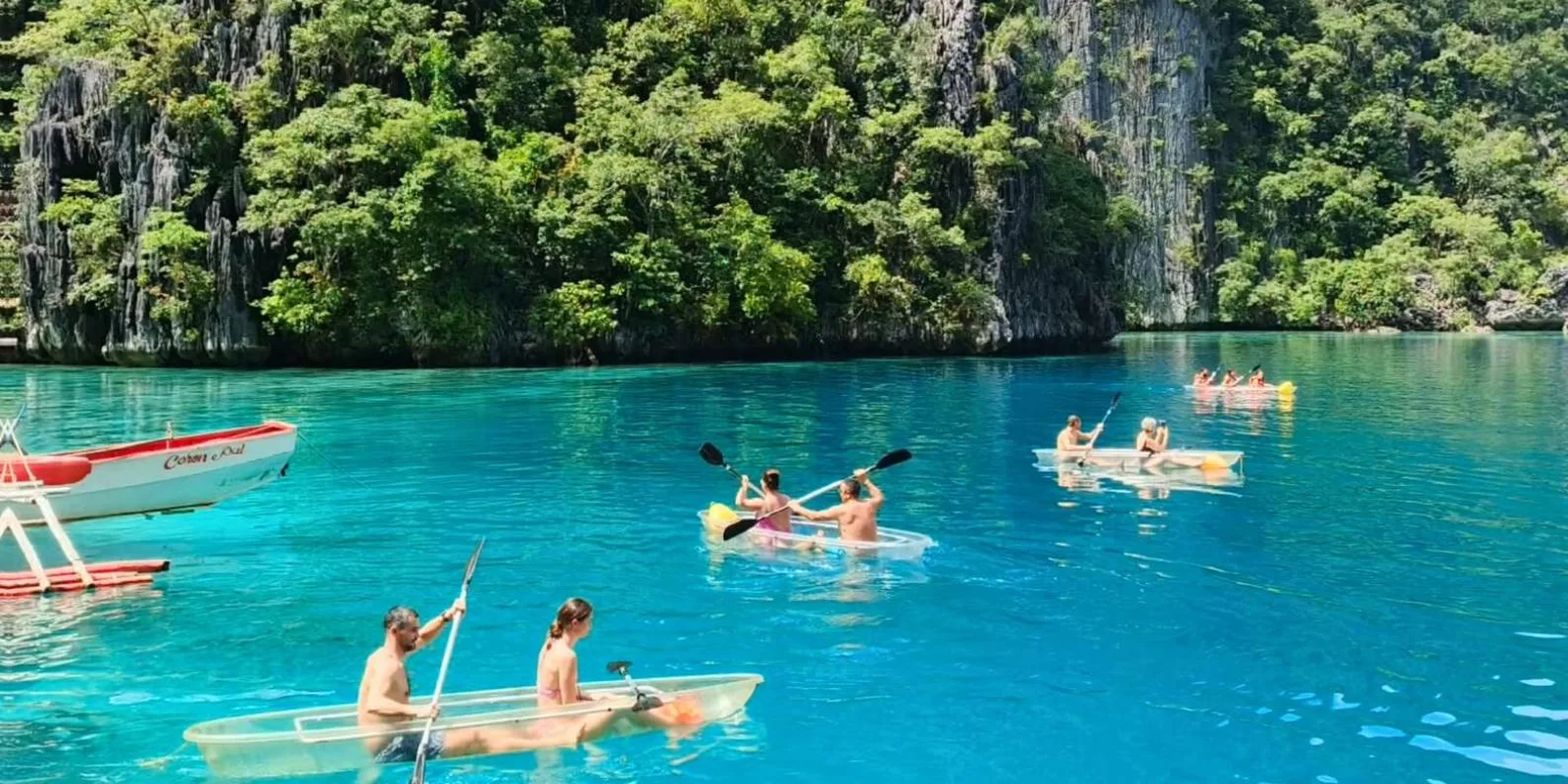
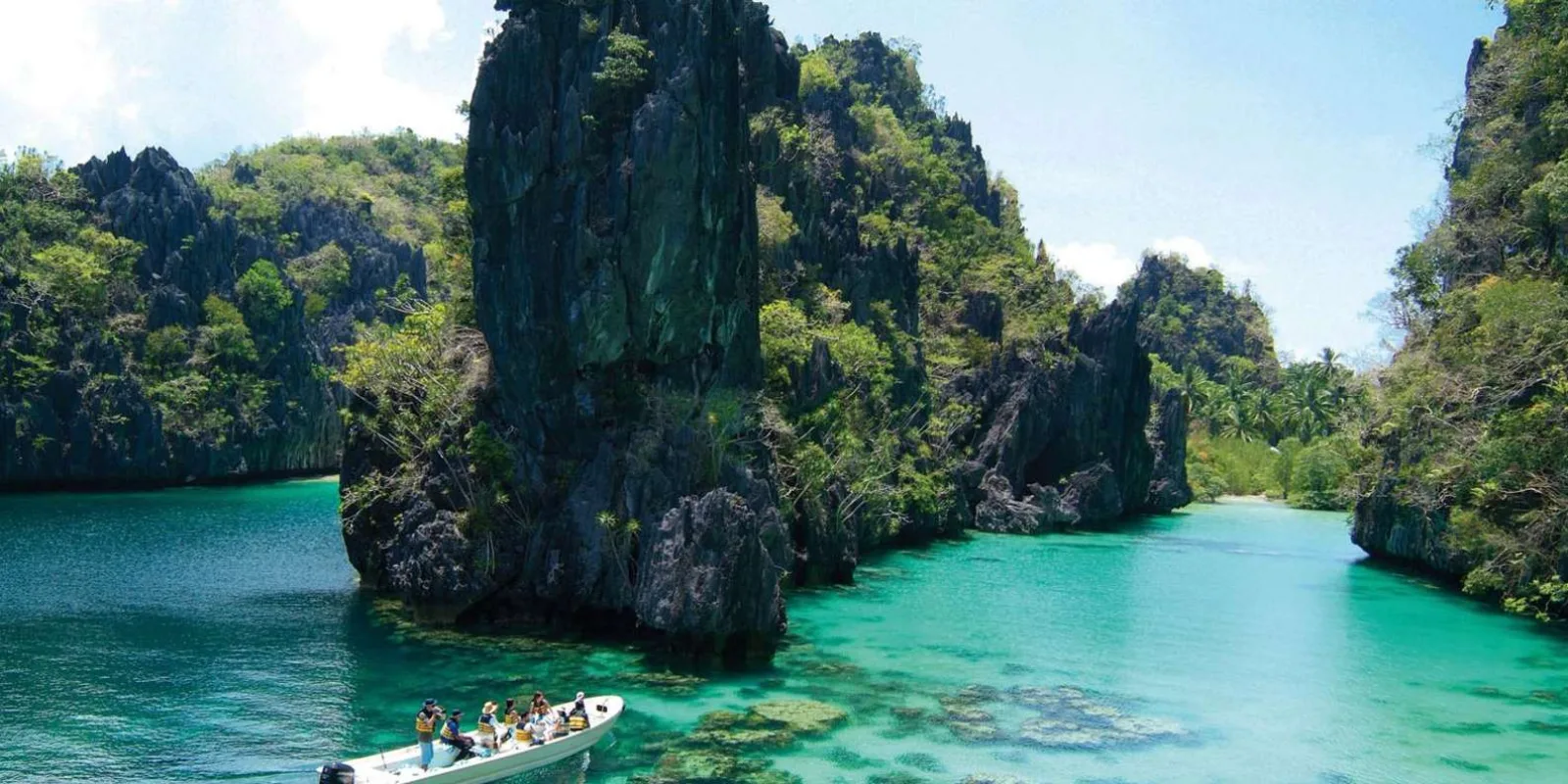
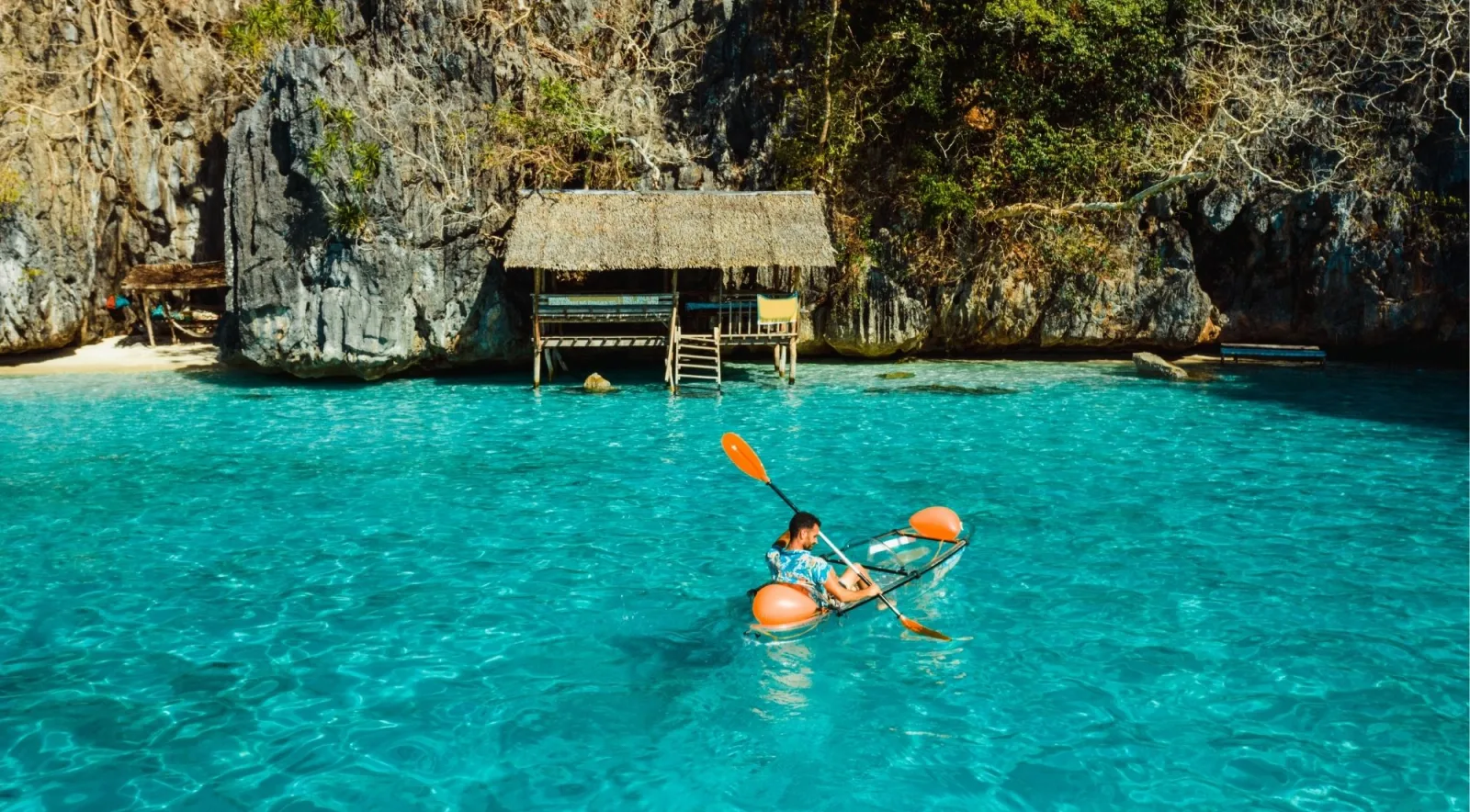
- Kayak through Big Lagoon and Small Lagoon in Bacuit Bay
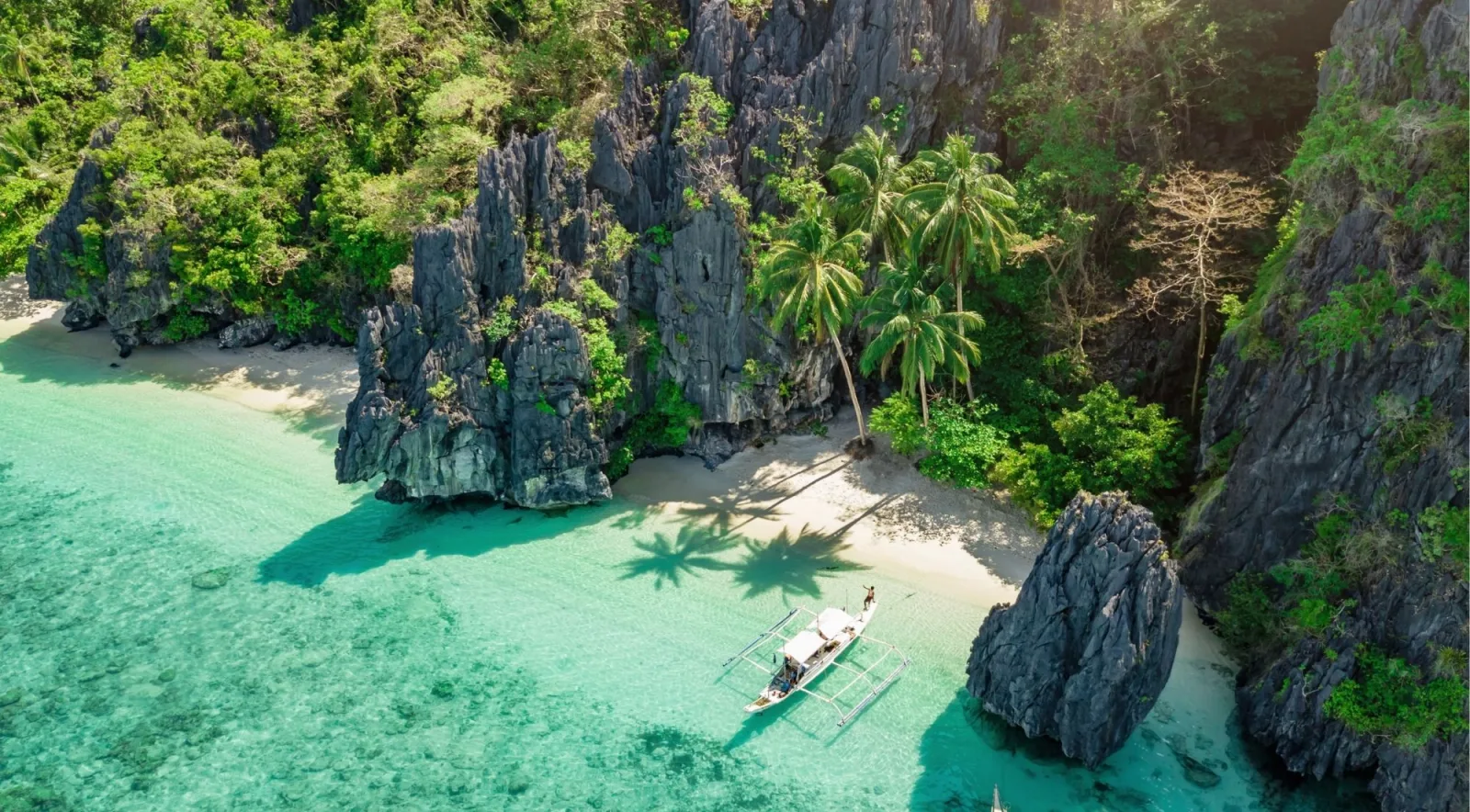
- Swim through the Cathedral Cave's secret beach passage
- Cross the open Sulu Sea toward the Calamian Islands
- Snorkel Linapacan's crystal-clear waters (visibility 20–30m)
- Swim through Twin Lagoon's warm underground passage
- Hike to the Kayangan Lake viewpoint — one of the Philippines' most iconic vistas
- 2 nights at beach camps or island guesthouses
What's Included
- ✓ All inter-island boat transfers by traditional bangka
- ✓ 2 nights' accommodation (beach camps / island guesthouses)
- ✓ All meals: lunch Day 1 through lunch Day 3
- ✓ Snorkeling equipment (mask, fins, life vest)
- ✓ National park and environmental fees
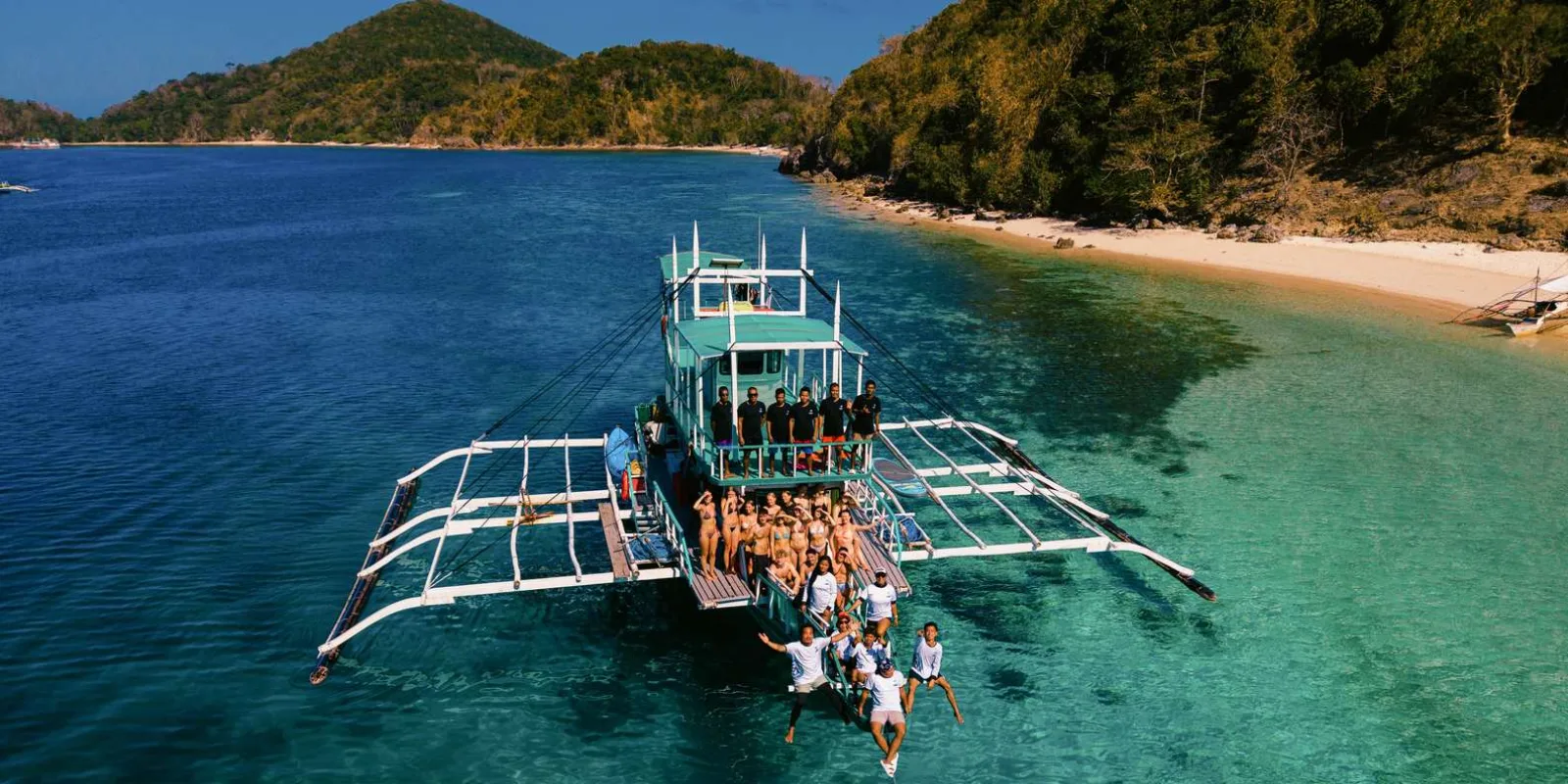
- ✓ Experienced guide and boat crew
Not Included
- Personal travel insurance (strongly recommended)
- Alcoholic beverages
- Meals in Coron Town (Day 3 dinner onward)
- Optional kayak rental at Big Lagoon (approx. PHP 150)
- Tips for crew (PHP 300–500 per person recommended)
What to Bring
- Reef-safe sunscreen (mandatory — conventional formulas prohibited in Philippine marine parks)
- Dry bag for electronics — essential during tender transfers and when rain hits mid-crossing
- Cash in Philippine pesos — no ATMs from El Nido Town until Coron Town (3 days)
- Light rash guard and board shorts or quick-dry pants for the boat
- Reef shoes or sandals with ankle strap for rocky landings
- Motion sickness medication if you are prone — the Day 2 open-sea crossing can be choppy
Good to Know & Caveats
- Leave large suitcases at your El Nido hotel — most operators offer free storage while you're on expedition
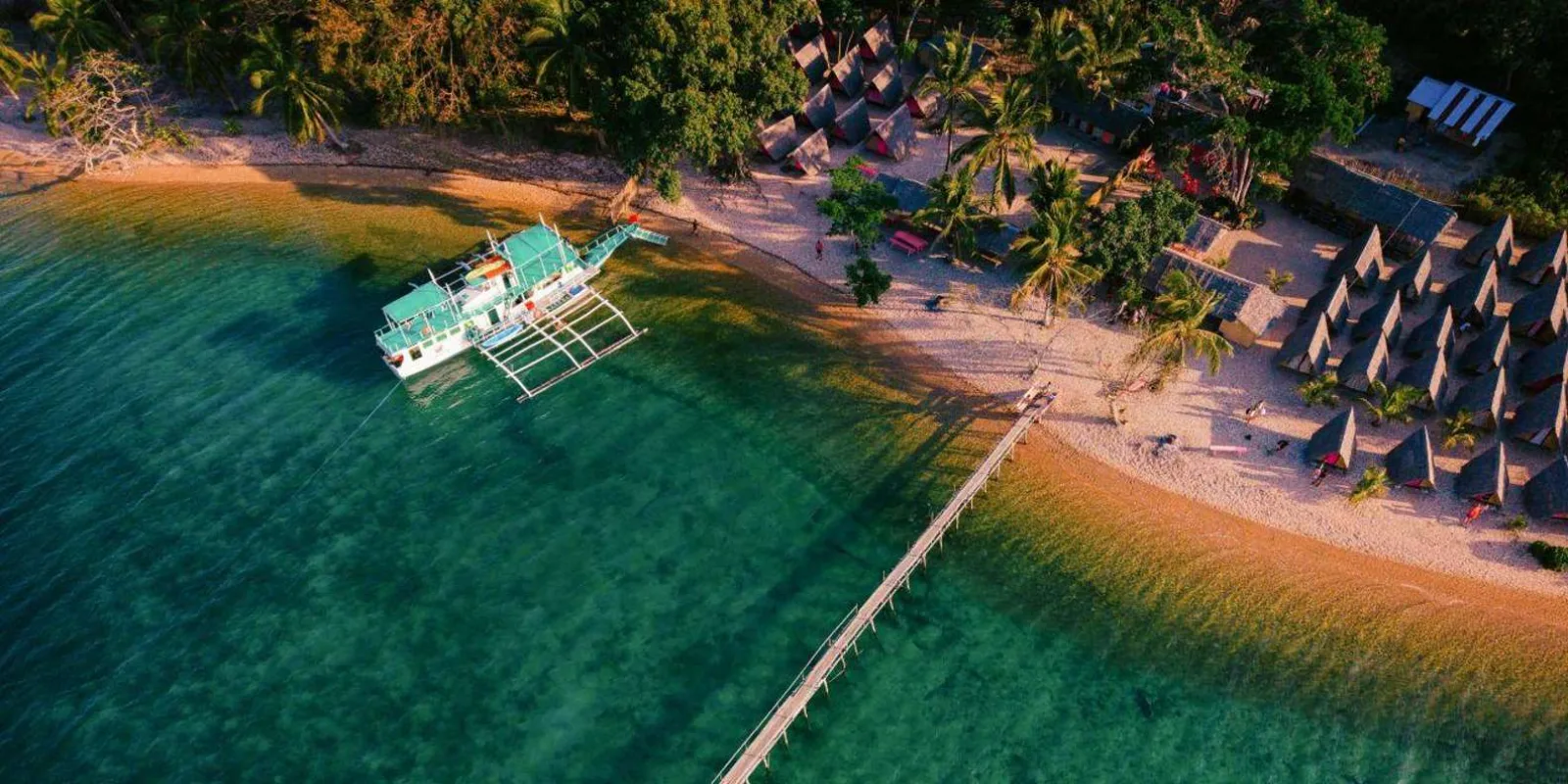
- Beach camp accommodation is basic but atmospheric: nipa hut beds, mosquito nets, cold showers
- The Day 2 open-sea crossing is weather-dependent; the captain will adjust the route in rough conditions
- Departures are 8:00–10:00 AM from El Nido Town Pier; arrival at Coron Town is Day 3 afternoon (1:00–4:00 PM)
- Book 2–3 weeks ahead during peak season (December to March)
Not Suitable For
- Travelers prone to severe seasickness on exposed open water (Day 2 crossing)
- Guests requiring hotel-standard accommodation each night — beach camps are simple and shared
- Anyone with fewer than 3 consecutive full days available
Meeting Point
El Nido Town Pier, El Nido, Palawan, Philippines
What Travelers Say
Rated 4.8/5 by 585 verified GetYourGuide travelers.
I can’t say enough good things about this excursion. The crew amazing, the people you’ll meet amazing, everything is above and beyond. You are truly missing out if you don’t do this activity.
— , 2026-07
It was such an unforgetable and amazing experience! WOW! The guide and boat crew were amazing and the food was delicious! Thank you We are Juan!
— , 2026-07
I did the El Nido to Coron 3D/2N expedition with my sister and it was the highlight our trip to the Philippines. Team Whale Shark were amazing, the accommodation was basic but actually really nice and the food was incredible. Would definitely recommend to anyone visiting the Philippines.
— , 2026-07
Frequently Asked Questions
Can I do this expedition if I can't swim?
Non-swimmers can participate — life vests are provided and many snorkel stops are in shallow water. You should be comfortable in the water, but strong swimming skills are not required. Some stops (like Big Lagoon by kayak) are fully accessible without swimming.
What is the accommodation like?
Nights are spent at simple beach camps or basic island guesthouses. Expect shared or private nipa-hut style rooms with beds, mosquito nets, and cold-water showers. The experience is rustic but comfortable — the point is to feel genuinely off-grid.
Is it possible to get seasick?
The Day 2 open-sea crossing can be choppy in rough weather. During the dry season (November–April) conditions are usually calm, but if you're prone to motion sickness, bring medication (Bonamine/Dramamine). The captain monitors weather and conditions closely.
What should I pack?
Reef-safe sunscreen (required in Philippine marine parks), rash guard, dry bag for electronics, cash in Philippine pesos (no ATMs on route), reef shoes, and a sense of adventure. Leave large suitcases at your El Nido hotel — most operators allow luggage storage.
When does the expedition depart and arrive?
Departures are from El Nido Town in the morning (typically 8:00–10:00 AM). The bangka arrives at Coron Town pier on Day 3, usually between 1:00–4:00 PM, giving time to check into accommodation before sunset.
The El Nido to Coron 3-Day Expedition
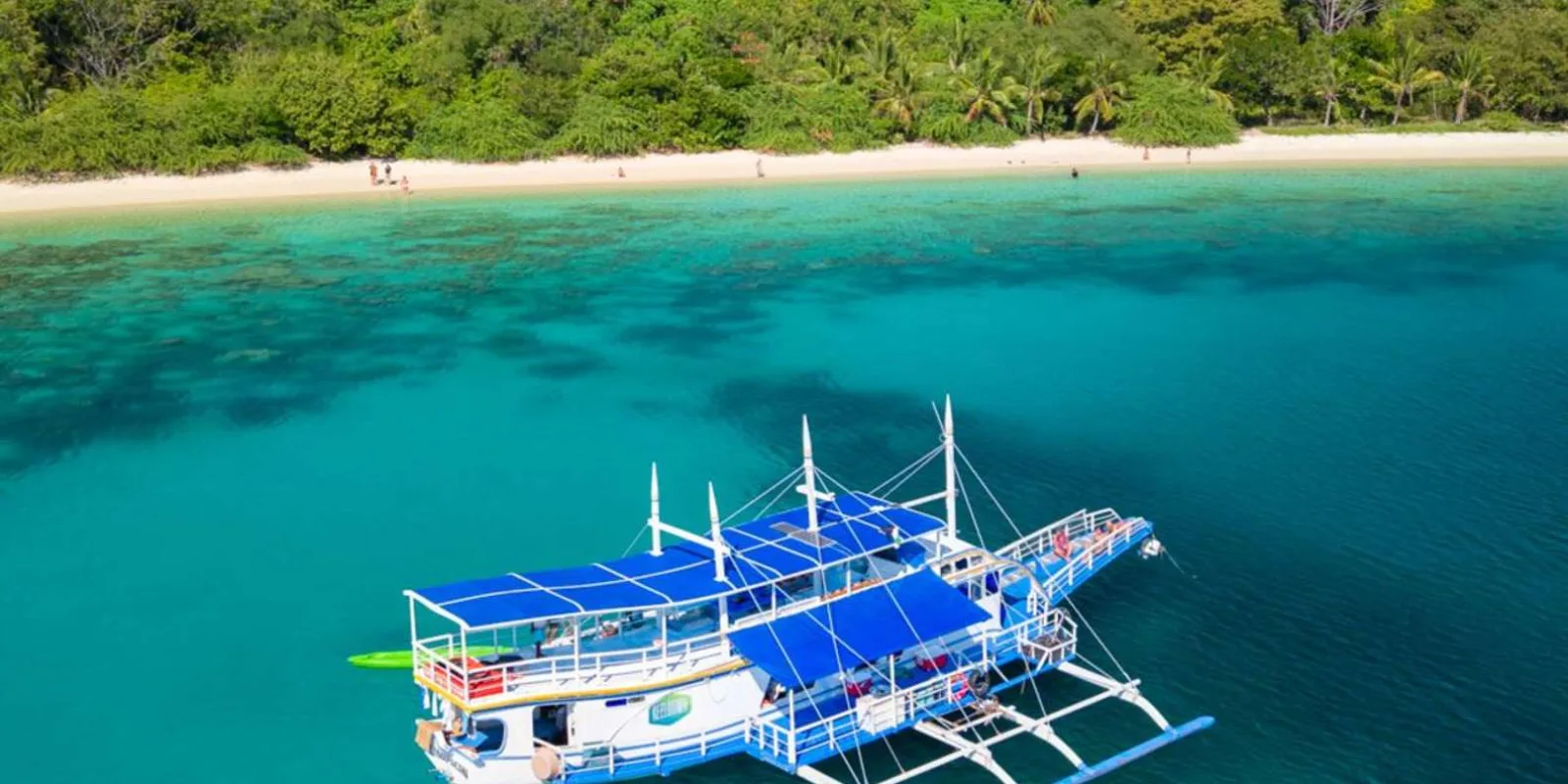
Rated 4.8/5 by over 569 travelers, this three-day island-hopping expedition is the most celebrated way to travel between El Nido and Coron across the northern Palawan archipelago. You board a traditional Filipino bangka at El Nido and spend three days threading through some of the most spectacular coastal scenery in Southeast Asia before arriving at Coron Town on the final afternoon.
Unlike a fast boat transfer, the expedition is the experience. Days are spent swimming, snorkeling, and exploring deserted islands — not sitting on a transport vessel. Nights are at simple but atmospheric beach camps and island lodges, far from town noise and tourist crowds.
Day 1: El Nido and Bacuit Bay
Departures are from El Nido town, typically mid-morning. The first day focuses on Bacuit Bay, the 45-island archipelago surrounding El Nido that contains some of the Philippines’ most photographed scenery.
The standard first-day itinerary includes Big Lagoon, a cathedral-scale limestone formation that towers 150 metres on both sides as you paddle or wade through waist-deep water into an enclosed turquoise pool. Small Lagoon is nearby and requires swimming under a low rock arch at high tide — one of the expedition’s most memorable moments. The cave beach stop allows a scramble through a dark passage to reach a private sandy cove visible only from inside.
Snorkeling stops at Shimizu Island and Matinloc Shrine reach coral gardens that are exceptionally intact compared to more heavily visited sites. Lunch is usually prepared on board or at a beach — fresh grilled fish, rice, and seasonal vegetables are typical.
By late afternoon the bangka anchors for the first night on a quiet island, where the crew sets up camp or you check into a simple island guesthouse.
Day 2: Open Sea Crossing to Linapacan
The second day involves the longest open-water section — crossing from the Bacuit Archipelago toward the Calamian Islands that sit between El Nido and Coron. The Sulu Sea can be choppy in rough weather, but during the dry season (November to April) conditions are typically calm enough to see flying fish alongside the boat.
The main stops are around Linapacan — a cluster of uninhabited islands with some of the clearest water in the Philippines. Visibility of 20–30 metres is common here, and the shallow sandy bottoms give the water a distinct electric cyan colour. North Linapacan Beach and Duyong Island are regular stops. Snorkeling above coral bommies surrounded by schools of fish is possible at low tide without any equipment beyond a mask.
The second night is usually at a beach camp on Linapacan or at Culion — a historic town on an island of the same name with a fascinating (and sobering) history as one of Asia’s largest leprosy colonies in the early 20th century. The town is small, quiet, and extraordinarily photogenic at sunset.
Day 3: Coron Bay and Arrival
Day three threads through Coron Bay, the enclosed body of water between Coron Island and Busuanga. The destinations are the two most iconic sites in the Coron area: Twin Lagoon and Kayangan Lake.
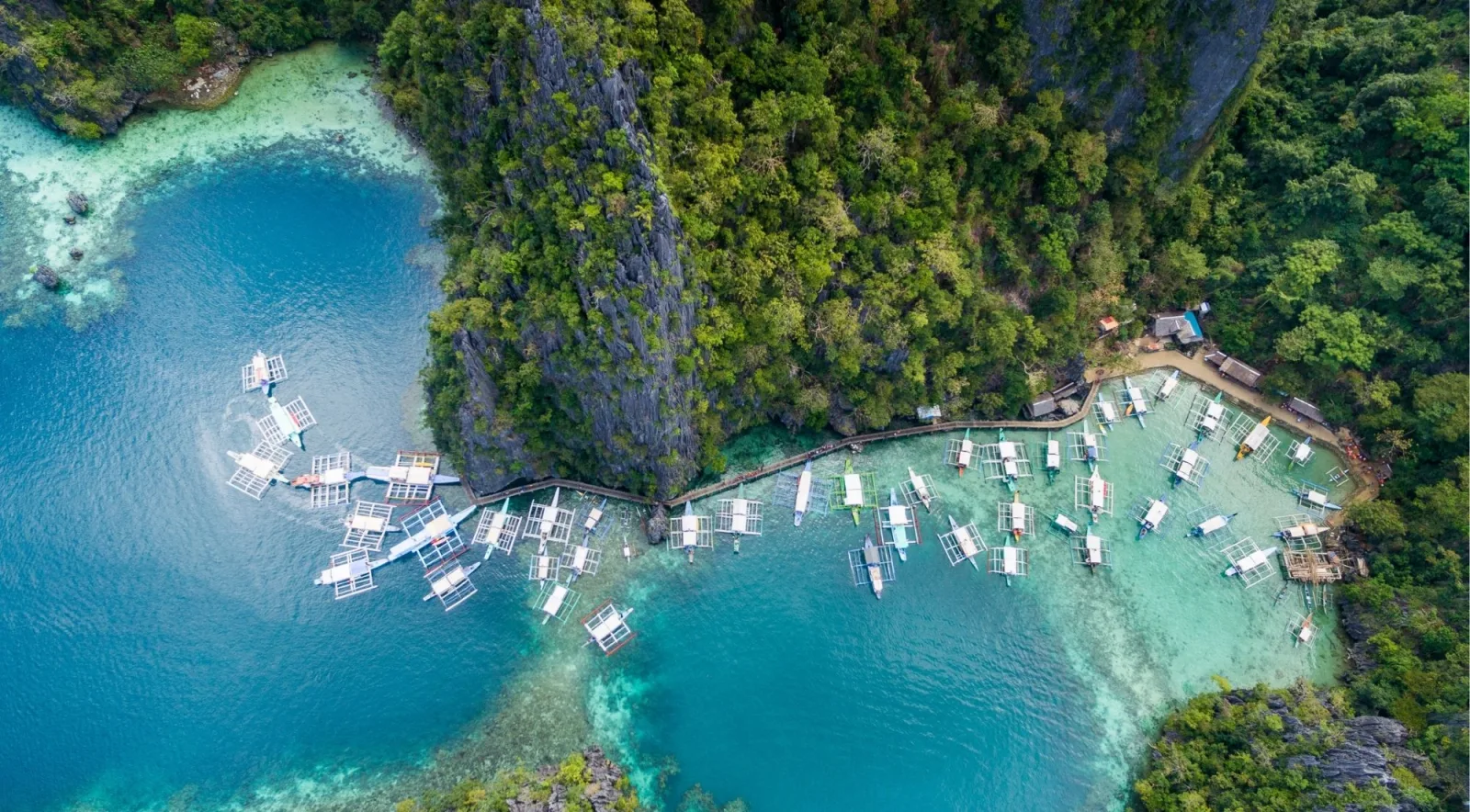
Twin Lagoon is a pair of connected pools separated by a rock wall. Swimming through the underwater passage between them reveals a sudden change in water temperature — the inner lagoon is fed by warmer freshwater springs. Kayangan Lake is widely described as one of the clearest lakes in Asia, with underwater visibility stretching tens of metres over a white sandy bottom. A steep staircase leads from the landing to the viewpoint above — the panorama is among the most photographed in the Philippines.
The bangka docks at Coron Town in the early to mid-afternoon, giving you time to check into accommodation and explore the town before sunset.
What’s Included
The expedition typically covers: all inter-island transfers by bangka, two nights’ accommodation at beach camps or island guesthouses, all meals from lunch on Day 1 through lunch on Day 3, snorkeling equipment, national park and environmental fees, and the services of a guide and boat crew.
Not included: personal travel insurance (essential for any water activity), alcoholic drinks, meals in Coron Town, souvenirs, and tips for the crew (who work hard for three days — a tip of 300–500 PHP per person is standard and appreciated).
Who This Tour Is For
The expedition is ideal for travelers who want more than a day trip but less than a full sailing voyage — three days is enough time to feel genuinely remote without requiring significant outdoor experience. The bangka boats are stable, the snorkeling is accessible to non-swimmers in shallow stops, and the food is consistently well-reviewed.
It is not suitable for travelers with severe seasickness on exposed water, or those who need hotel-quality accommodation each night. The beach camps are simple but memorable.
Practical Notes
Book at least two to three weeks in advance during peak season (December to March). Bring cash in Philippine pesos — ATMs exist in El Nido Town but not on the route until Coron. A dry bag is essential for protecting electronics during tender transfers and rain. Bring reef-safe sunscreen, as conventional formulas are prohibited in Philippine marine parks.