Scuba Diving in El Nido: Dive Sites, Marine Life and What to Expect
Scuba diving in El Nido, Palawan: South Miniloc, Helicopter Island, Nat Nat and other Bacuit Bay dive sites, marine life, conditions, certification and how El Nido diving compares with Coron.
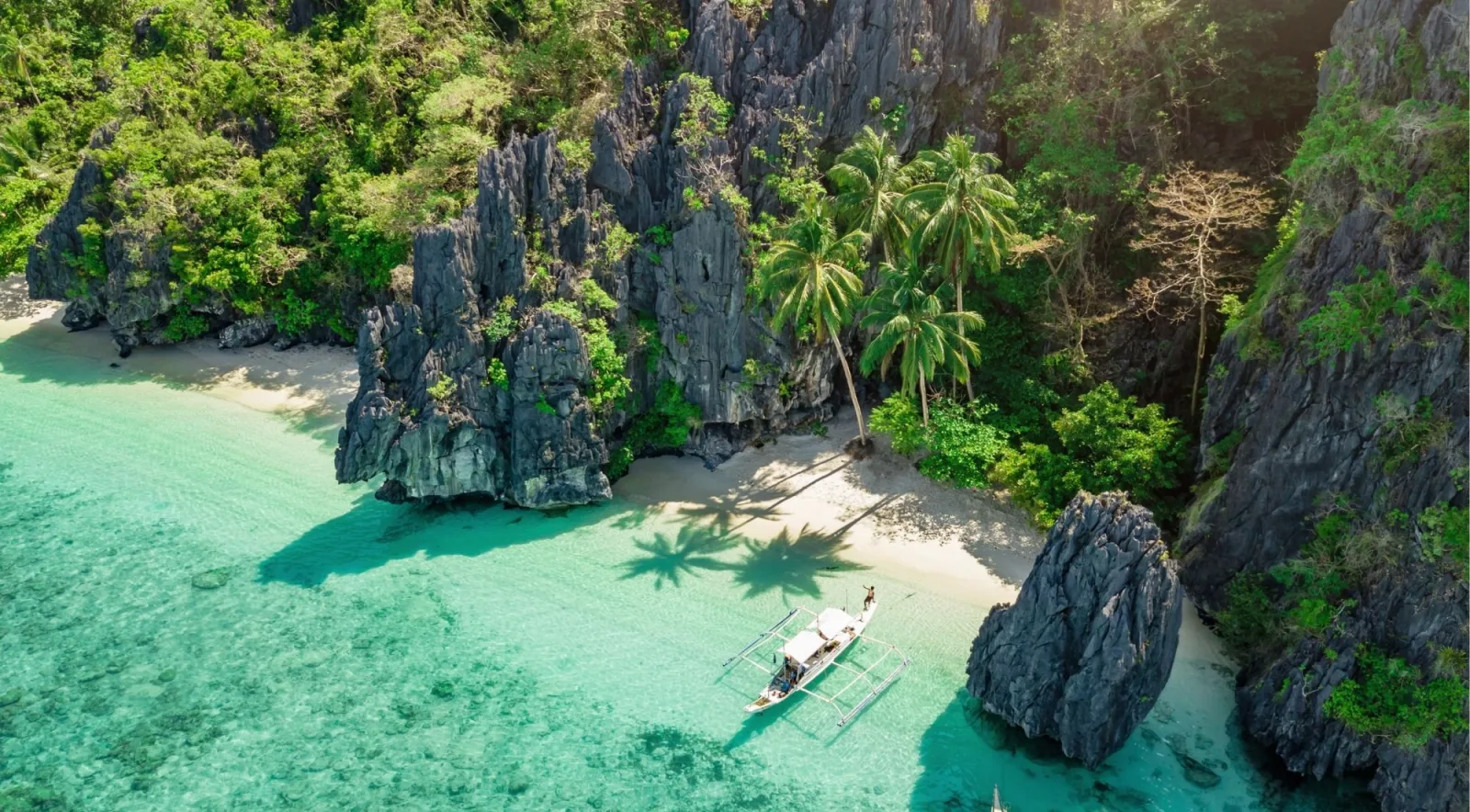
Most visitors come to El Nido for what sits above the water: limestone cliffs, lagoons and beaches. Scuba diving shows you the other half.
Below Bacuit Bay you find coral gardens, limestone walls, channels, sandy bottoms and reefs with turtles, reef fish, nudibranchs, moray eels, rays and the occasional reef shark. El Nido has few wrecks compared with Coron. Come here for reef diving and limestone underwater topography.
If you have never dived, the easiest bookable start is a supervised try dive with manta rays at Sibaltan on the east coast. Dates and boat slots change with the season, so check your days first:
El Nido Diving at a Glance
| El Nido scuba diving | |
|---|---|
| Main area | Bacuit Bay |
| Best known for | Coral reefs and limestone topography |
| Popular sites | South Miniloc, Dilumacad, Nat Nat, Paglugaban |
| Beginner friendly | Yes, depending on the site |
| Typical dive day | 2–3 dives |
| Best for | Reef diving and adding scuba to an El Nido holiday |
Is It Worth Diving?
Yes, especially if you are already certified.
The same geology that formed Big Lagoon and Hidden Beach carries on beneath the surface as:
- walls;
- boulders;
- swim-throughs;
- reef slopes;
- sandy habitats.
More to Do Above the Water
Most divers also see Big Lagoon on Tour A, Hidden Beach on Tour C, or Kayangan Lake in Coron. These are the current top-rated tours:
Best Dive Sites
1. South Miniloc
El Nido’s best-known reef dive. Expect colourful coral, sponges, schooling fish and a good mix of wide-angle scenes and macro life.
Possible sightings include snapper, barracuda, tuna, frogfish, nudibranchs, ribbon eels and turtles.
2. Dilumacad / Helicopter Island
A mix of reef and sandy bottom with macro life, stingrays and reef fish.
Experienced divers may also hear about the Dilumacad Tunnel. It is an overhead environment: enter it only with the right training and a guide who knows it.
3. Nat Nat
Close to El Nido town and useful for newer divers, refresher dives and, with some centres, night dives.
4. Paglugaban
Known for underwater boulders, rock formations and swim-throughs. Pick it if you enjoy topography more than coral.
5. West Entalula Wall
A limestone wall dropping toward a deeper sandy bottom, with shallower coral garden sections on top.
6. Tambalanang
Ask your dive centre about this one if you hope to see reef sharks. Nobody can guarantee them.
7. Popolcan West
Sometimes called the Underwater Forest for the soft and whip corals around its deeper pinnacles.
8. Hole in the Wall
A topography dive with a short rock passage and schooling fish where currents can meet.
Marine Life
Possible encounters include:
- turtles;
- snapper;
- fusiliers;
- trevallies;
- barracuda;
- tuna;
- moray eels;
- lionfish;
- frogfish;
- nudibranchs;
- stingrays;
- reef sharks.
No operator can promise any of them on a given dive.
Turtles
Divers regularly report turtles on El Nido reefs, and they are among the encounters people hope for most.
Give them space and do not chase them for photographs.
Sharks
Reef sharks can appear, but El Nido is not a shark-diving destination and you should not book a dive day for them alone.
Macro Life
Many visitors overlook El Nido’s small creatures. Look for:
- nudibranchs;
- frogfish;
- pipehorses;
- shrimp;
- scorpionfish;
- ribbon eels.
With a good guide, a patch of reef that looks ordinary at first can fill a whole dive.
Is El Nido Good for Beginners?
Yes. Several reef sites suit newer divers, and established dive centres in town run beginner training.
Not every site suits every day, though. Currents and depth still matter, so let the centre match the site to your experience.
Can You Try Diving Without Certification?
Yes, through a supervised Discover Scuba-style programme.
The listing we link above, El Nido: Discover Scuba Diving with Manta Rays in Sibaltan, costs from $116 and is rated 4.8/5 from 37 reviews. It needs no certificate and includes a skills dive to 6 metres and an open-water dive to 12 metres at a manta cleaning station, with equipment, boat and snacks. Sibaltan is on the east coast, about an hour by road from town, and transport there is not included. Mobula Divers Sibaltan runs it.
If you expect to dive again on later trips, full Open Water certification is more useful.
Can You Get Certified in El Nido?
Yes. Dive centres in El Nido town run courses from beginner to advanced level. GetYourGuide does not list these courses, so book them directly with a centre.
The trade-off is holiday time: a full course takes several days that you might otherwise spend island hopping.
Do You Need Advanced Open Water?
Not for many standard reef dives.
Advanced certification helps on deeper sites, and especially if you plan to continue to Coron for wreck diving.
Typical Dive Day
Two- and three-dive trips are common. A normal day may run like this:
- morning gear setup;
- boat ride into Bacuit Bay;
- first dive;
- surface interval;
- second dive;
- lunch and a longer interval;
- third dive, if booked;
- return to town.
Certified divers who want a bookable day on GetYourGuide have one option: El Nido: Manta Ray Diving Experience in Sibaltan, two dives with a dive master from $107, rated 4.5/5 from 15 reviews. That is a small sample, and the dives are at Sibaltan’s manta cleaning station on the east coast, not in Bacuit Bay. Transport from El Nido is not included. For South Miniloc and the other Bacuit Bay sites, book a fun-dive day with a centre in town.
Two Dives or Three?
Two is plenty if you have not dived recently.
Three makes sense if diving is a major part of your trip and you are comfortable with repeat dives in one day.
Equipment
Rental packages often include full scuba gear, tanks and weights.
The most useful things to bring from home are usually:
- your own mask;
- a dive computer;
- dive boots.
Water Temperature
The water is warm and tropical, though it changes with the season. Many divers are comfortable in a thin full-length wetsuit.
Visibility
Visibility ranges from poor, plankton-rich days to excellent clear-water days.
Local operators often report the best visibility from roughly March into June.
Best Time to Dive
You can dive El Nido year-round when the weather allows, but boats run more reliably in the dry season.
March to June often has the best visibility and the warmest water.
Underwater Photography
South Miniloc suits wide-angle reef scenes, and many of the other sites have good macro subjects.
Scuba vs Snorkeling
Snorkeling is easy to add to an island-hopping tour.
Scuba lets you move along the walls, look closely at the reef and stay underwater far longer.
If you are certified, plan at least one dive day.
Diving vs Tour A
Do not swap Tour A for a dive day if you have never seen Big Lagoon. You see different things on each, so do both if you can. Our island-hopping guide compares Tours A to D.
El Nido vs Coron Diving
El Nido
Best for coral reefs, limestone topography and tropical marine life.
Coron
Best for WWII wrecks, deeper diving and Barracuda Lake. Our Coron diving guide covers the wrecks and who they suit.
If you have time, dive both. The El Nido to Coron expedition links the two by boat over three days.
Flying After Diving
Leave the no-fly interval set by recognised dive-safety guidance and your dive computer before you board a flight out of El Nido or Coron.
Choosing a Dive Centre
Ask about:
- divers per guide;
- planned sites;
- certification requirements;
- equipment maintenance;
- oxygen and emergency procedures;
- marine fees;
- cancellation policy.
Frequently Asked Questions
Is diving good in El Nido?
Yes, especially for reefs and limestone topography.
What is the best dive site?
South Miniloc is the best-known.
Can beginners dive?
Yes, at suitable sites, or on a supervised try dive without certification.
Can you see turtles?
Yes. Sightings are common enough to be a realistic hope, though never certain.
Can you see sharks?
Occasionally, but they are not guaranteed.
When is the best time?
The dry season is the most reliable for boats, and March to June often has the best visibility.
Is it better than Coron?
They are different: El Nido for reefs, Coron for wrecks.
Final Verdict
El Nido’s scenery above the water is so famous that many visitors never look below it. If you are certified, book at least one dive day.
Start with South Miniloc if conditions allow, add a topography site such as Paglugaban or Dilumacad, and continue to Coron if you want WWII wrecks and Barracuda Lake as well.
Book the El Nido to Coron Expedition
Join 590+ travelers who rate it 4.8/5. Three days of island hopping, snorkeling in Bacuit Bay, and crossing to Coron's legendary Twin Lagoon — with meals and accommodation included.
Check Availability & Book