Scuba Diving in Coron: WWII Wrecks, Barracuda Lake and Dive Planning
Planning to scuba dive in Coron, Palawan? The best WWII wrecks, Barracuda Lake, certification requirements, dive conditions and how many diving days you need.
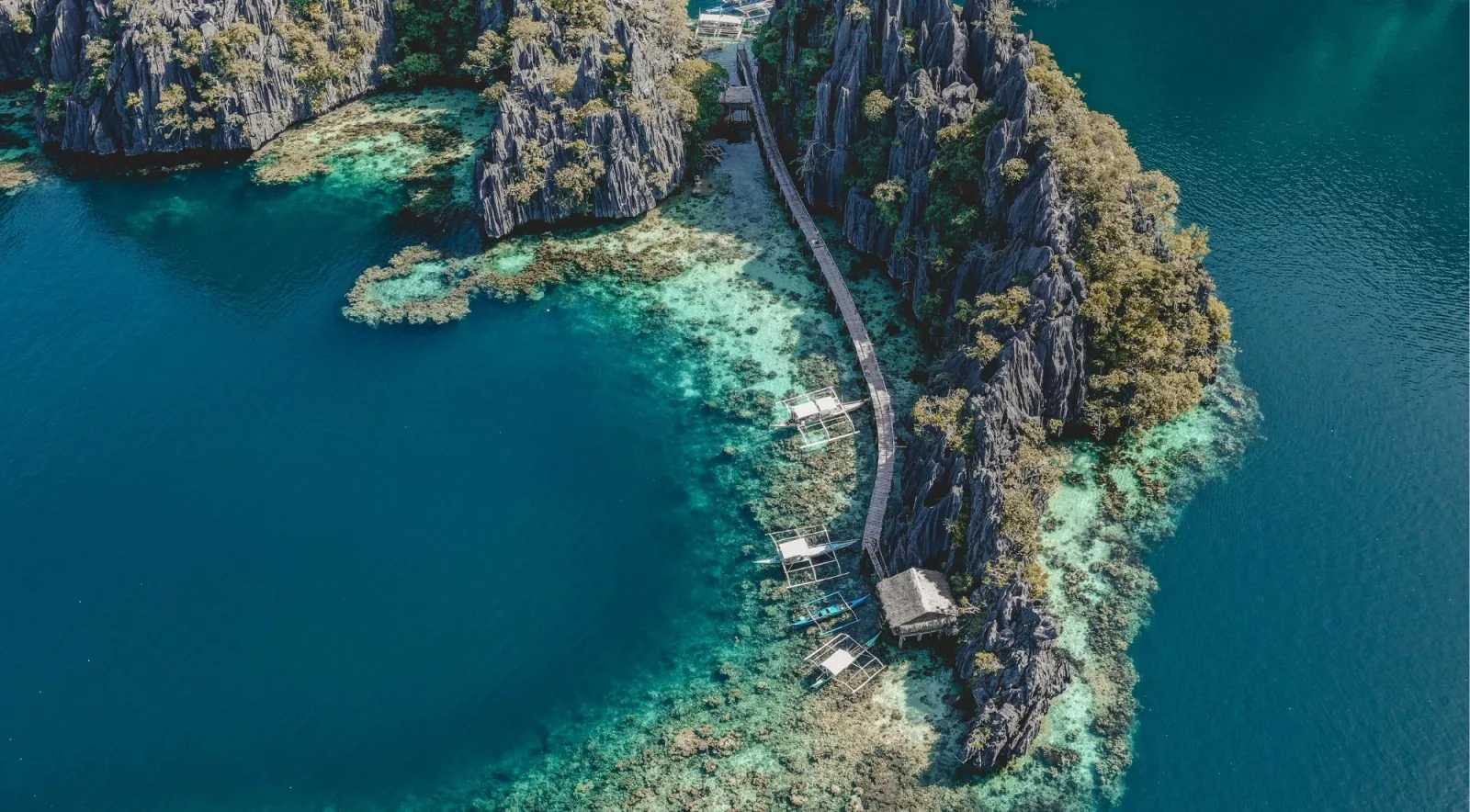
Coron is one of Southeast Asia’s best-known wreck-diving destinations.
Japanese ships sunk during the Second World War now rest at recreational and technical diving depths around Coron Bay and Busuanga: the main wrecks lie between roughly 10 and 45 metres, and most dives on them stay between about 15 and 35 metres. Decades underwater have turned them into artificial reefs covered with coral and marine life.
Scuba diving in Coron is not only about wrecks. You can also dive Barracuda Lake, coral reefs and limestone sites.
Most divers keep one day of their Coron stay dry, partly for the no-fly interval before leaving. The classic island-hopping circuit fills that day well, with Kayangan Lake, Twin Lagoon, a snorkel over the shallow Skeleton Wreck and a swim in Barracuda Lake:
Coron Diving at a Glance
| Coron scuba diving | |
|---|---|
| Best known for | Japanese WWII wrecks |
| Other major attraction | Barracuda Lake |
| Best season | Roughly November–May |
| Water temperature | About 26–30°C |
| Main wreck depths | About 10–45 m (most dives 15–35 m) |
| Typical dive day | 2–3 dives |
| Useful certification | Advanced Open Water or equivalent |
| Best for | Wreck divers and experienced recreational divers |
Other Palawan Experiences You Might Enjoy
Most divers add Kayangan Lake, Twin Lagoon and the beaches of Coron Island, and many arrive from El Nido and Bacuit Bay. These are the current top-rated tours:
Why Are There So Many Wrecks?
In September 1944, American carrier aircraft attacked a Japanese supply fleet sheltering in the waters around Coron and Busuanga, and several of the ships sank where they were anchored.
Today they form one of the world’s most concentrated tropical wreck-diving areas, close enough to Coron town to dive two or three in a day.
Best Wrecks
Okikawa Maru
One of the more accessible large wrecks: the main deck sits at about 16 metres and the deepest point at about 26 metres.
Best for:
- divers new to large wrecks
- photographers
- long bottom times
- trained wreck divers
Akitsushima
A Japanese seaplane tender lying on its side, known for its enormous crane and large internal spaces.
The shallowest part is at about 22 metres and the hull rests at about 36 metres, so it is a deeper dive, better suited to advanced divers.
Olympia Maru
A large freighter sitting upright between about 18 and 32 metres, with cargo holds and plenty of marine life.
A good introduction to the larger Coron wrecks for suitably certified divers.
Kogyo Maru
Lying between about 22 and 34 metres, it is interesting for the remains of construction cargo and machinery still associated with the wreck.
Irako
One of the deeper and more demanding wrecks, lying between about 30 and 45 metres, beyond the 40-metre recreational limit at its deepest.
Not a casual beginner dive.
Morazan / Ekkai Maru
A large cargo vessel with substantial internal spaces and a maximum depth of about 25 metres, a more accessible profile than the deepest sites.
Do You Have to Enter the Wrecks?
No.
Diving the outside of a wreck is excellent in its own right, and lets you see:
- hulls
- deck structures
- cranes
- propellers
- coral
- schooling fish
Going inside (penetration) puts a ceiling over your head, and it requires additional training and judgement.
Do You Need a Wreck Certification?
Not for every exterior wreck dive. Proper penetration, however, should only be undertaken with appropriate training.
Wreck training covers:
- guideline use
- buoyancy
- hazards
- emergency procedures
- silt management
- penetration limits
Do You Need Advanced Open Water?
For many of the major wrecks, Advanced Open Water or equivalent is extremely useful and often required, because depths commonly go beyond the 18-metre limit of a basic Open Water certification.
Can Beginners Dive in Coron?
Yes. Beginner-friendly reefs, training dives and shallower sites are available.
Skeleton Wreck is much shallower than the major WWII vessels, sloping from about 5 metres at the bow to about 20 metres at the stern, so it is also popular with snorkelers and freedivers. It is one of the stops on the Coron Ultimate Tour, so non-divers in your group can see a wreck too.
Barracuda Lake
One of the most unusual dives in the Philippines.
The attraction is not coral. It is:
- limestone geology
- clear water
- extreme temperature changes
- thermoclines
- surreal underwater scenery
The water can become dramatically warmer as you descend through its layers.
Barracuda Lake vs Kayangan Lake
Kayangan Lake is better for ordinary sightseeing and the famous viewpoint.
Barracuda Lake is the special one for scuba divers.
Marine Life
Possible sightings include:
- barracuda
- jacks
- snapper
- batfish
- groupers
- lionfish
- moray eels
- nudibranchs
- turtles
- reef fish
Coron is not primarily a big-animal destination. Come for the wrecks, the history and the unusual underwater environments.
Typical Dive Day
A normal full day may involve:
- an early meeting at the dive centre
- the first wreck dive
- a surface interval
- the second dive
- lunch
- a third dive, if booked
- a late-afternoon return
Two Dives or Three?
Three dives work well for experienced divers who are comfortable with repetitive diving, but deep wreck profiles call for conservative planning.
Do not turn a dive day into a race to collect wreck names.
How Many Diving Days?
If wreck diving is a major reason for your trip, 3–4 days is a strong starting point.
That gives you time for several wrecks, Barracuda Lake and perhaps a reef day.
Best Time to Dive
Roughly November to May gives the best general diving conditions, with calmer seas and good visibility. For the boat crossings and island-hopping days around your dives, December to April is the most reliable stretch; our guide to the best time to visit El Nido and Coron goes through it month by month.
Water Temperature
Expect warm tropical water of around 26–30°C, with Barracuda Lake as the unusual exception.
Visibility
Visibility varies by site, weather, tide and season.
Wreck dives can feel dark and atmospheric even when visibility in open water is good.
Currents
Some wrecks can have a significant current. Site choice should depend on the tide, the weather and the experience of the divers.
Equipment
Standard rental sets are widely available. The most useful personal equipment to bring is:
- a mask
- a dive computer
- a torch
- an SMB (surface marker buoy)
Nitrox
Nitrox can be useful for repetitive diving if you are certified to use it and the planned mix suits the dive profile.
Choosing a Dive Centre
Look for:
- a recognised training affiliation
- sensible group sizes
- experienced local guides
- well-maintained equipment
- oxygen and emergency procedures
- conservative penetration policies
Ask how divers are grouped by certification and experience.
Can You Learn to Dive in Coron?
Yes. Courses range from Discover Scuba and Open Water through Advanced, Wreck and technical training.
Completing Open Water does not, however, qualify you for deep wreck penetration straight away.
Respect the Wrecks
These are wartime historical sites and marine habitats.
Do not remove objects, damage coral or force your way into unstable areas.
Coron vs El Nido Diving
Coron
Best for WWII wrecks, Barracuda Lake and advanced historical diving.
El Nido
Best for reefs, limestone underwater scenery and tropical marine life. Our El Nido diving guide covers South Miniloc and the other Bacuit Bay sites, and our guide to the best things to do in El Nido shows where diving fits among the island tours and beaches.
If wreck diving is your main interest, Coron is the stronger destination.
Flying After Diving
Leave an appropriate no-fly interval after repetitive or multi-day diving, following recognised guidance and your dive computer.
A simple plan is to make your last Coron day a non-diving day.
Frequently Asked Questions
Is Coron good for scuba diving?
Yes, especially for WWII wrecks.
What are the best wrecks?
Okikawa Maru, Akitsushima, Olympia Maru, Kogyo Maru, Irako and Morazan/Ekkai Maru are among the best known.
Can beginners dive the wrecks?
Some shallower sites and wreck exteriors can be suitable; many of the famous wrecks require advanced certification.
Can you dive Barracuda Lake?
Yes, and it is one of Coron’s most unusual dives.
How many days should I dive?
Three or four, if wreck diving is a major purpose of the trip.
When is the best season?
Roughly November to May.
Final Verdict
Certified divers should not treat Coron as merely the place where the El Nido ferry ends.
The wrecks are world-class, and Barracuda Lake adds an underwater experience unlike conventional tropical reef diving.
If your training allows it, give Coron several dive days instead of squeezing one wreck into an already crowded sightseeing itinerary. For the island-hopping days either side, our guide to the best Coron island-hopping tours compares the main routes.
Book the El Nido to Coron Expedition
Join 590+ travelers who rate it 4.8/5. Three days of island hopping, snorkeling in Bacuit Bay, and crossing to Coron's legendary Twin Lagoon — with meals and accommodation included.
Check Availability & Book